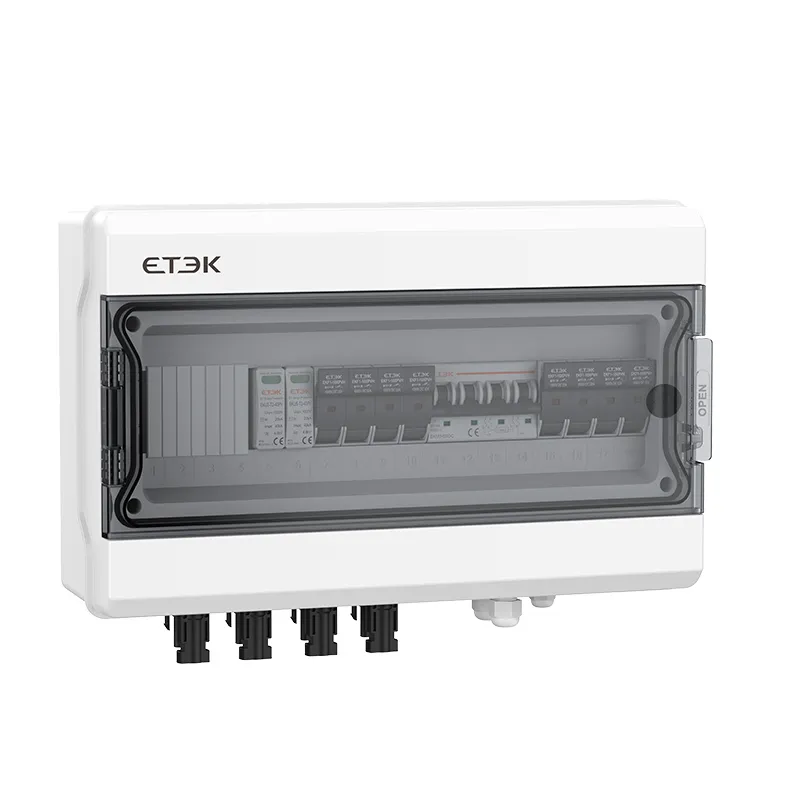
A solar installer in Arizona called me last month. He'd just finished a 50kW rooftop system, but the inspection failed. The reason? The DC protection devices he'd installed were labeled for "DC use" but had no arc chutes, no magnetic blowout, and no UL listing for photovoltaic applications.
He'd saved $12 per unit. The rework cost him over $2,000 in labor plus a week of delayed payment.
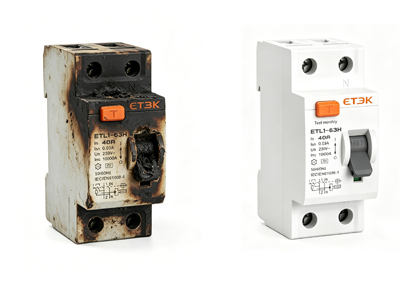
This story plays out daily across the industry. Solar is booming, margins are tight, and the market is flooded with protection devices that look legitimate but aren't. After talking with dozens of installers, distributors, and inspection authorities, I've identified five mistakes that keep coming up.
Let's walk through them—so you don't make the same ones.
Trusting a "DC Rated" Sticker Without Verification
Here's something that surprises many buyers: there's no universal standard for what "DC rated" means. Some manufacturers slap that phrase on products that are essentially AC devices with different paint.
What to look for instead: Third-party certifications specific to your application.
-
For branch circuit protection – UL 489 (North America) or IEC 60947-2 (international)
-
For supplementary protection – UL 1077 or IEC 60947-3
-
For photovoltaic source circuits – UL 1741 (PV-specific) or IEC 60947-3 with DC-21B utilization category
"We opened a 'DC rated' device from an online marketplace," says a senior engineer at a testing laboratory. *"Inside was a standard AC thermal-magnetic mechanism. No arc chute modification whatsoever. It would have failed at 300V DC."*
A genuine DC protection device will always specify its DC interrupting capacity at a specific voltage (e.g., "10kA at 600V DC") along with the time constant (1ms for batteries, 5ms for PV). If that data isn't in the datasheet, walk away.
Ignoring the Polarity
Unlike AC, DC protection devices often have a designated current direction. Look closely at the housing—you'll see markings like +/- or an arrow. This isn't decorative.
The internal magnetic blowout mechanism is polarized. Connect it backward, and instead of helping extinguish the arc, the magnetic field will push the arc into the contacts, making the failure worse.
Real-world example: A commercial storage project in New York used 120 non-polarized DC protectors. After a battery string fault, six units failed to interrupt—three of which had been wired in reverse polarity by mistake. The resulting arc lasted nearly one second before the upstream fuse finally cleared.
The fix: Always verify polarity markings before terminating. For systems where reverse current is possible (e.g., battery-to-battery or bi-directional inverters), use devices specifically rated for bi-directional DC interruption.
Shopping by Amperage Only (Voltage Kills Arcs)
This is probably the most common error. A buyer sees "32A" and assumes it's fine for a 32A string. But DC arc severity depends far more on voltage than current.
A 600V DC arc has four times the energy of a 300V DC arc at the same amperage—because power = voltage × current, and arc sustain voltage increases with system voltage.
The rule: Match or exceed both the maximum system voltage (Voc at lowest expected temperature) AND the maximum operating current (Isc × 1.25 per NEC 690.8). A device rated for 600V DC / 32A cannot be used on a 1000V DC system, even if the current is only 10A.
According to NEC 690.9, PV source circuit protection devices must be rated for at least 125% of the short-circuit current. But many buyers forget the voltage derating for temperature—a device rated for 1000V DC at 25°C may only be rated for 900V at 60°C inside a hot rooftop combiner box.
Choosing the Wrong Interrupting Capacity (Icn)
Interrupting capacity is the maximum fault current a device can safely stop without welding contacts or exploding. Underspecify this, and you get exactly what you're trying to prevent.
How to calculate your need:
For a simple PV string without batteries, the available fault current is typically 1.1–1.5 × Isc (short-circuit current of the module). That's often under 2kA. But add batteries—especially lithium-ion with low internal resistance—and fault currents can exceed 20kA. One battery rack I tested delivered 28kA of available current at the terminals.
Common mistake: Using a device with 6kA Icn on a battery-backed system. When a fault occurs, the contacts may try to open, but the arc won't extinguish because the available current exceeds the device's capability. The result: melted copper, fire, or explosion.
Safe practice:
-
PV-only combiner box: 10kA Icn minimum
-
Battery-coupled system: 20kA or higher
-
Large commercial with multiple battery racks: 30kA+
Overlooking Environmental Ratings for Your Installation Location
A protection device that works perfectly in a climate-controlled electrical room may fail within months on a rooftop in Florida or Arizona.
The three environmental factors most often ignored:
| Factor | What to check |
|---|---|
| Moisture | IP rating – IP20 (indoor only), IP55 (splashes), IP66 (rain and dust), IP67 (temporary submersion) |
| Heat | Temperature derating curve – a 32A device at 40°C may be 28A at 60°C |
| UV exposure | UV-resistant housing material – look for UV-stabilized polycarbonate or similar |
An Australian installer shared this: *"We used indoor-rated DC protection in rooftop combiner boxes. After 18 months, the plastic housings were brittle and cracked. Moisture got in, terminals corroded, and we had three nuisance trips in one week."*
For rooftop solar, IP66 minimum is the industry best practice. For ground mounts in dusty environments, the same requirement. For areas with pressure washing or marine exposure, consider IP67.
Bonus Mistake: Not Having a Spare or Replacement Strategy
This one hurts operations teams. You spec a device, install 200 of them, and two years later, you need a replacement. The manufacturer has discontinued that model or changed the footprint.
Prevention: Choose protection devices from suppliers who publish long-term availability commitments. DIN-rail form factors (standard 35mm rail) are safer bets than proprietary mounting systems. And if possible, keep 5-10 spares in your warehouse.
Putting It All Together – A Quick Pre-Purchase Checklist
Before you click "buy" on any DC protection device for solar, verify:
-
Certified to UL 489, UL 1077, UL 1741, or IEC 60947-3 (with DC category)
-
DC interrupting capacity specified at your exact system voltage and time constant
-
Polarity clearly marked (or explicitly rated for bi-directional use)
-
IP66 or higher for outdoor rooftop use
-
The temperature derating curve is available in the datasheet
-
Device footprint matches your combiner box layout
If a product page is missing any of these, consider it a red flag.
Where to Find Properly Specified DC Protection
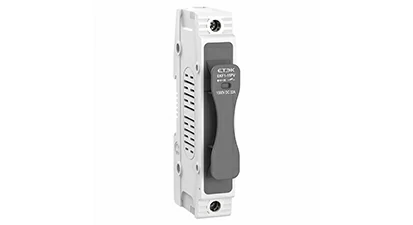
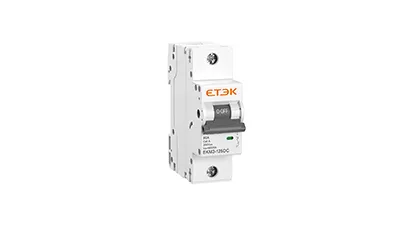
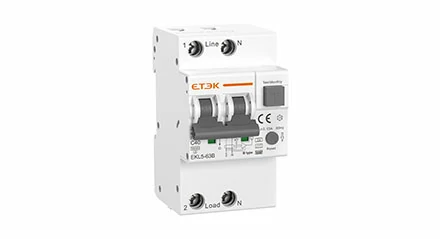
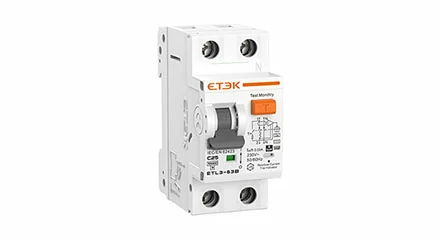
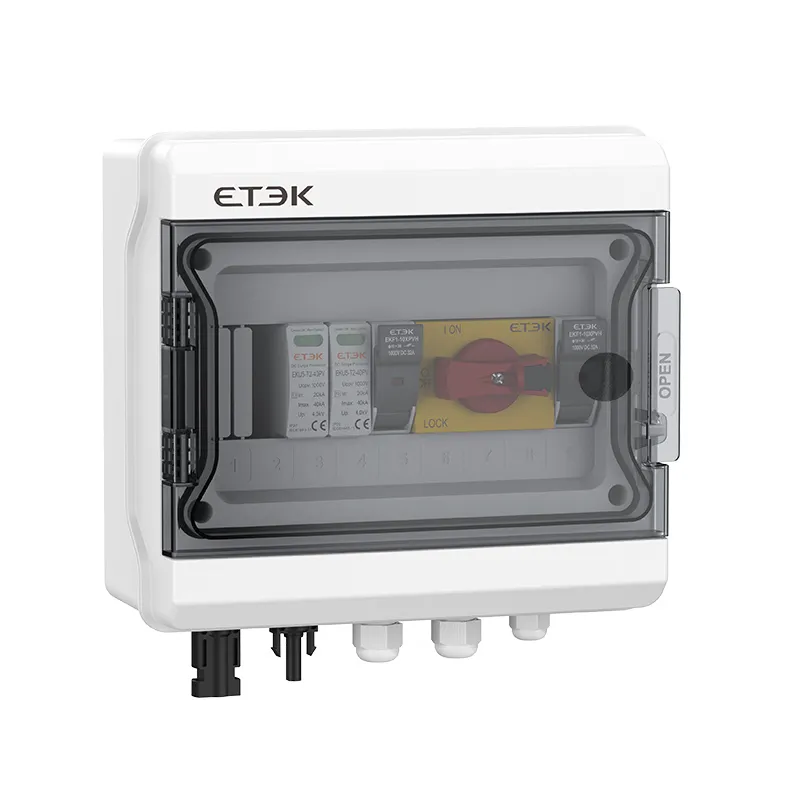
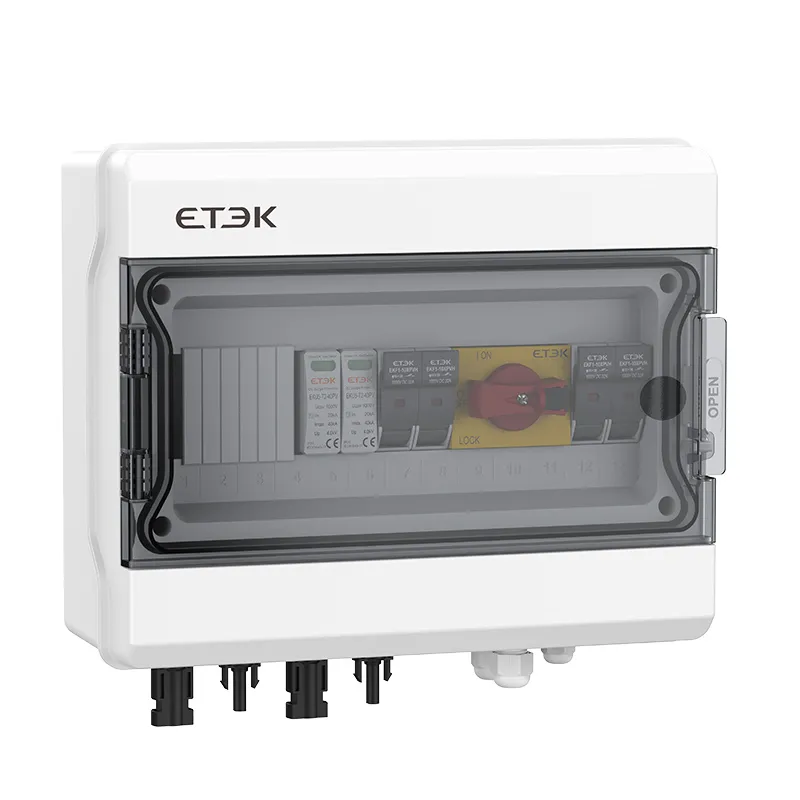
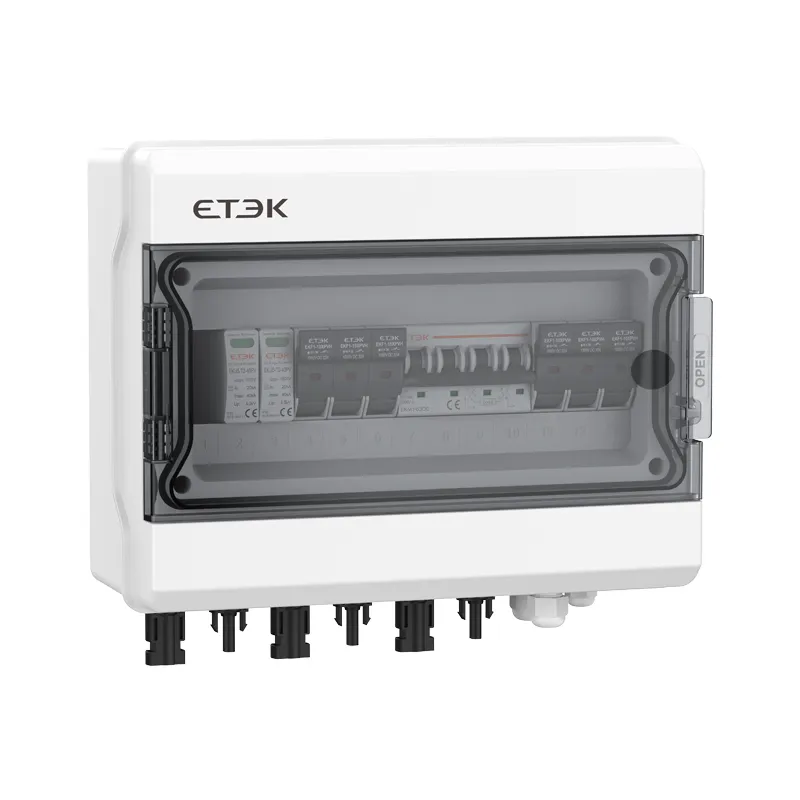
If you're tired of wading through incomplete datasheets and uncertified claims, explore ETEK's solar-rated DC protection devices – every model includes full UL/IEC certification documentation, polarity markings, IP66 ratings, and temperature derating curves. Their team also provides free compatibility checks for existing combiner boxes.
Final Thought: Cheap Costs More in the Long Run
The $12 you save on a knockoff DC protection device disappears the first time you're called back for a failure—or worse, when an insurance adjuster asks for certification records after a fire.
Solar systems are designed to operate for 25+ years. The protection device inside your combiner box should be just as durable. Don't let a small upfront saving become a very expensive mistake.
*Disclaimer: Electrical codes and requirements vary by jurisdiction. Always consult local regulations (NEC, CEC, AS/NZS 5033, or IEC 62548) and work with licensed professionals for system design and installation.*