

Wide Temperature Range
Operating temperature from -20°C to +105°C ensures reliable performance in extreme weather conditions and industrial environments.
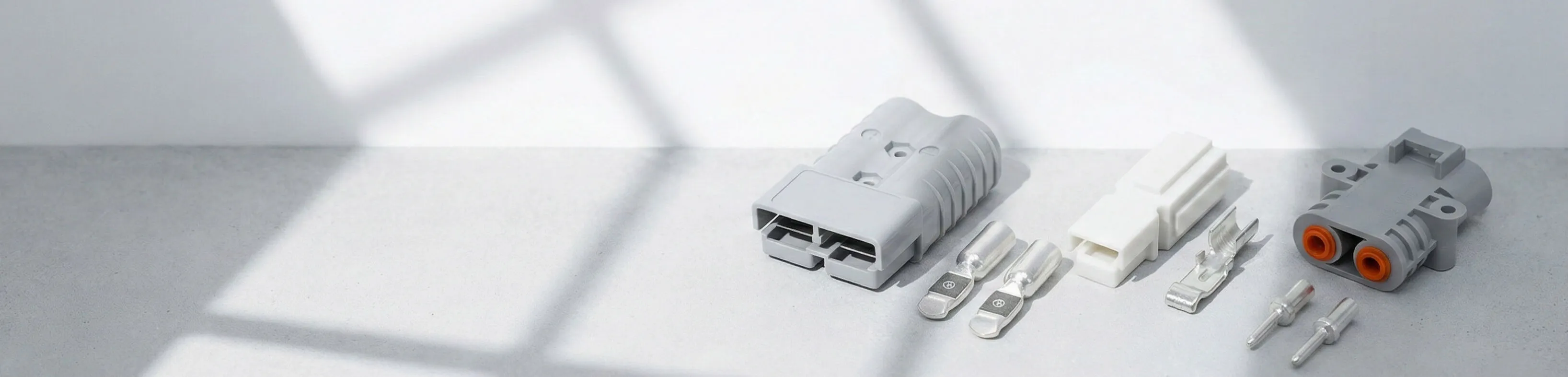
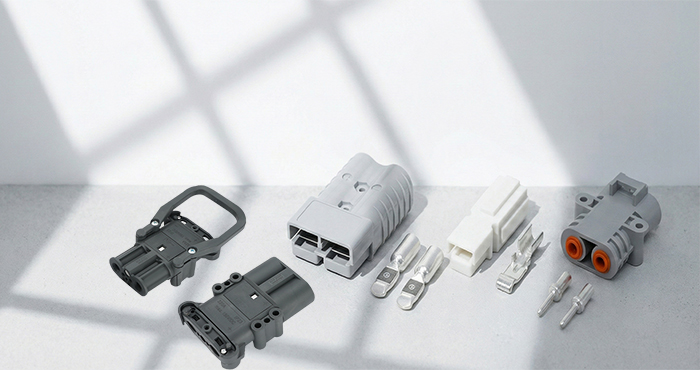
ETEK Battery Connectors provide safe, repeatable power coupling for high-current DC circuits in EVs, forklifts, UPS/battery rooms and industrial equipment. The range includes polarized single-pole and double-pole connectors for modular power distribution, waterproof quick-connect solutions for harsh environments, and forklift battery connectors for frequent mating cycles and serviceability. Designs focus on mechanical keying to prevent mismating, stable contact force, heat-resistant flame-retardant housings, and plated copper contacts to support low-loss, high-current transfer.
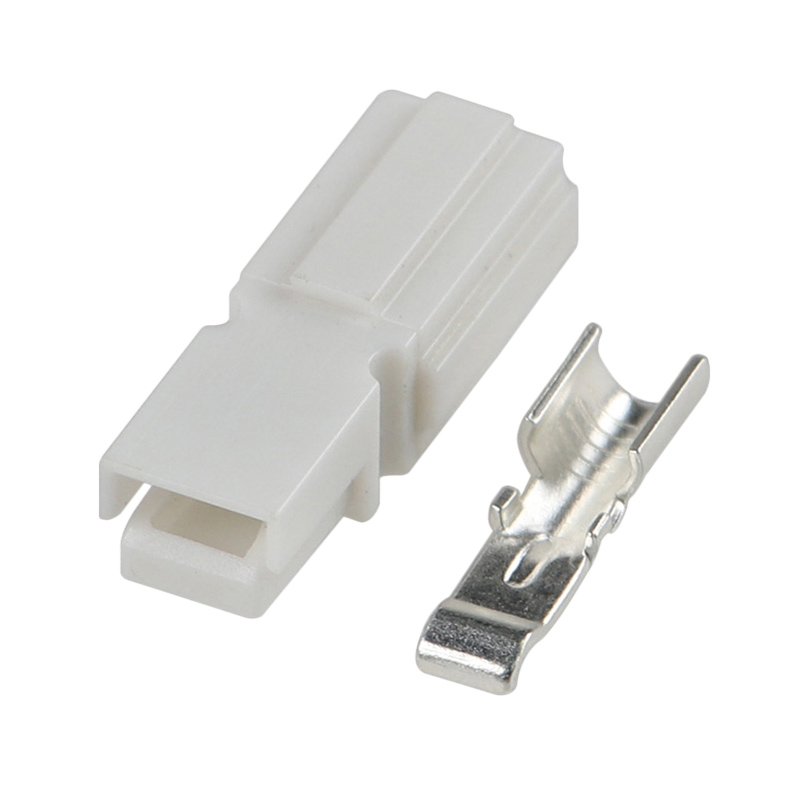
| Current Rating | 30A–180A |
| Voltage Rating | 600V |
| Cable Range | 1.5–50 mm² |
| Temperature | –20℃ ~ 105℃ |
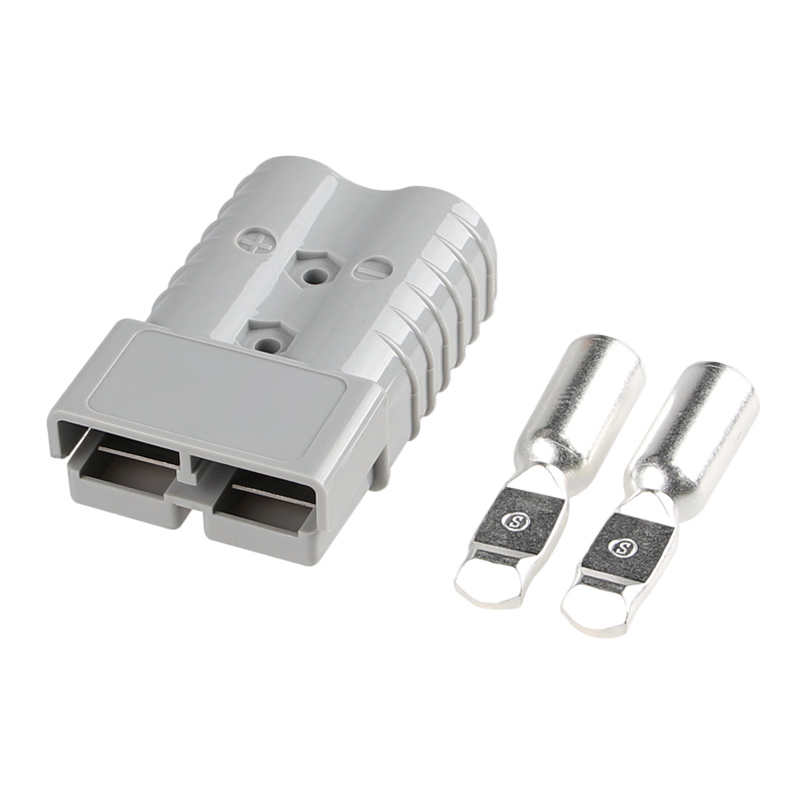
| Current Rating | 40A-350A |
| Voltage Rating | 600V |
| Cable Range | 4-70 mm² |
| Temperature | –20℃ ~ 105℃ |
.jpg)
| Current Rating | 50A |
| Voltage Rating | 600V |
| Cable Range | 6-10 mm² |
| IP Rating | IP67 |
| Temperature | –20℃ ~ 105℃ |
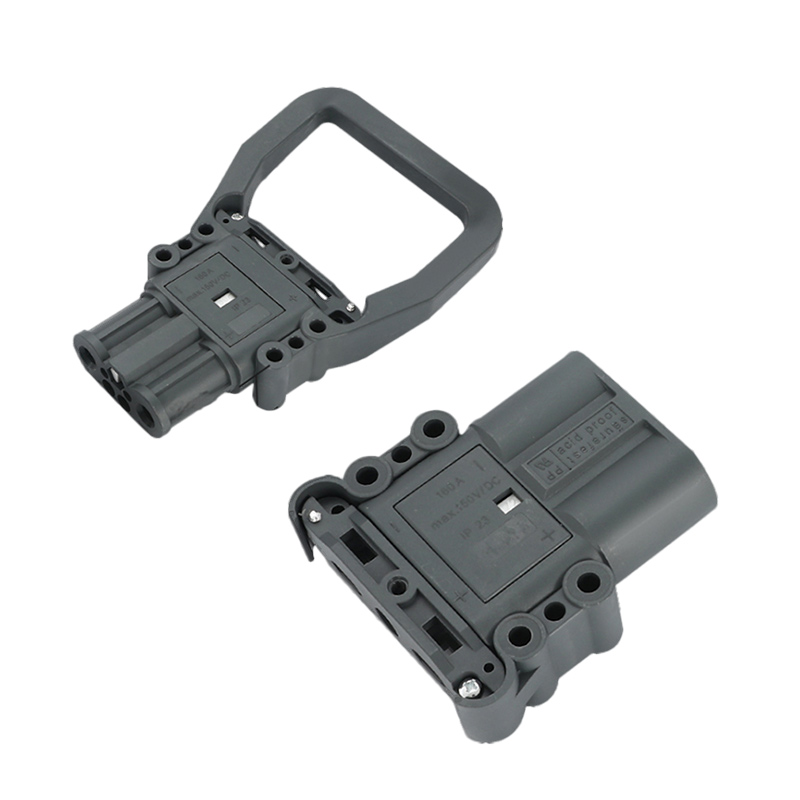
| Current Rating | 80-320A |
| Voltage Rating | 150V |
| Cable Range | 16-70 mm² |
| Temperature | 20℃ ~ 105℃ |
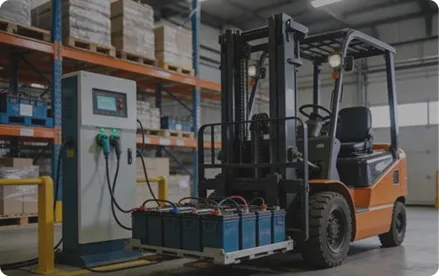
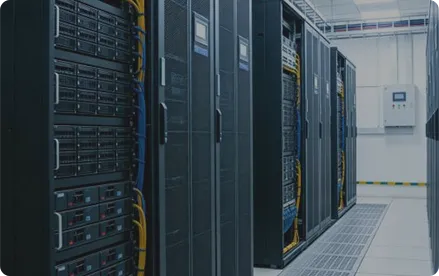
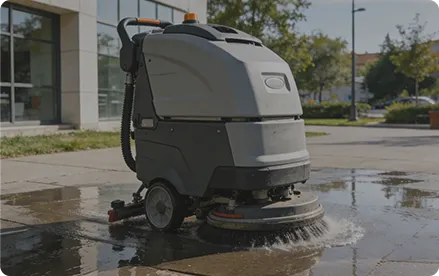
Battery connectors are used to connect and disconnect DC power between battery packs, chargers, vehicles, and industrial equipment for efficient service and reliable power transfer.
Choose by continuous current, peak current, system voltage, cable size (AWG/mm²), duty cycle, mating frequency, and the environment (dust, moisture, vibration). Then confirm the exact rating of the selected configuration.
Continuous current is what the connector can carry for extended operation within thermal limits. Peak current may be allowed for short periods depending on duty cycle and temperature rise.
Select cable size based on load current and allowable temperature rise, then choose contacts/terminals that support that wire range. The connector, contact, and crimp should be validated as a complete system.
Overheating is commonly caused by undersized cable, poor crimping, worn/dirty contacts, partial insertion, or operating beyond the rated duty cycle. Temperature-rise testing under real load is recommended.
Single-pole connectors are modular and flexible for power distribution. Two-pole connectors keep positive and negative in one keyed housing for faster, simpler mating in many battery-to-charger and battery-to-vehicle interfaces.
Use polarized/keyed housings and a consistent color/voltage strategy across equipment. Standardizing interfaces reduces user error and improves fleet serviceability.
Crimping with qualified tooling is generally preferred for repeatability and serviceability. Verify with pull-out tests and visual inspection of crimp quality.
Not recommended unless compatibility is explicitly stated. Small differences can increase resistance, wear, and arcing risk.
If your application involves outdoor use, washdown, or frequent exposure to moisture/dust, sealed designs or protective accessories can reduce corrosion and downtime. Choose based on real exposure conditions.