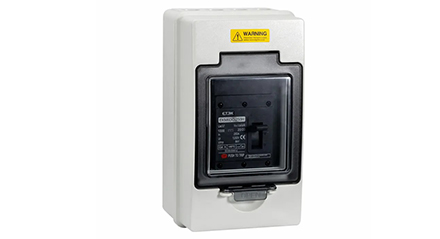
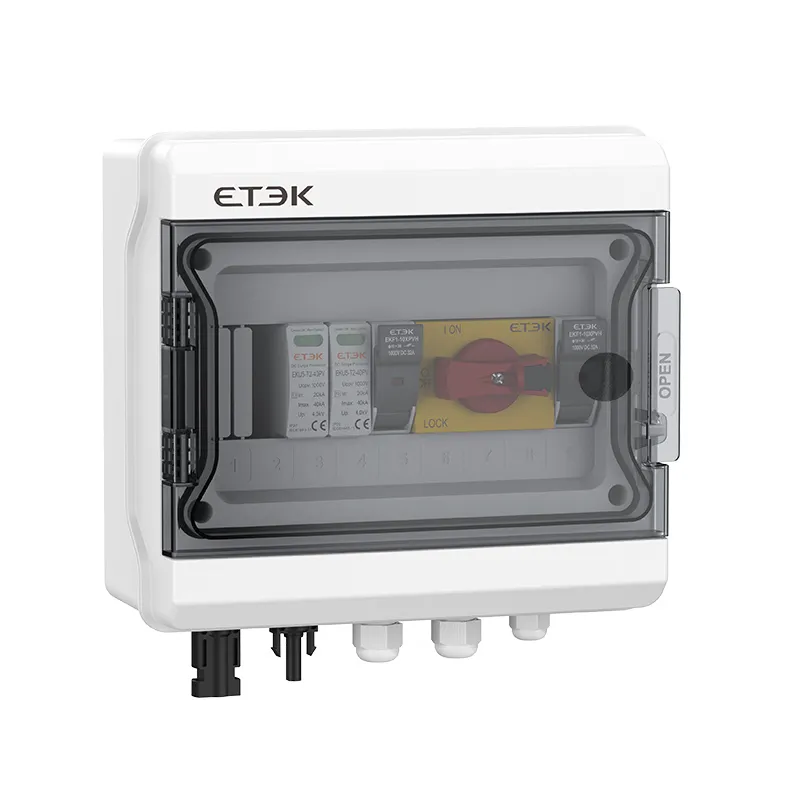
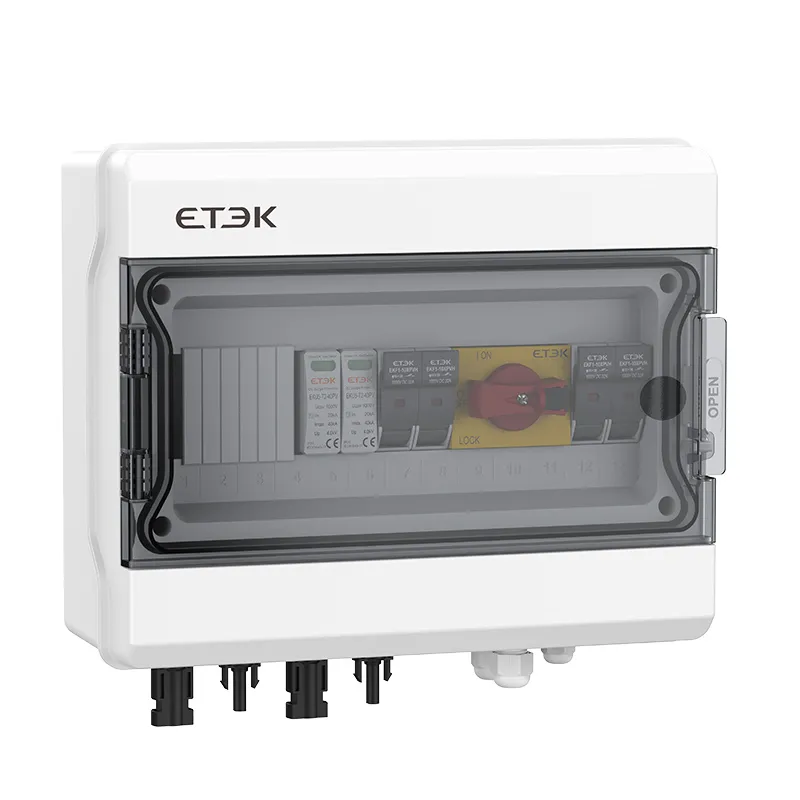
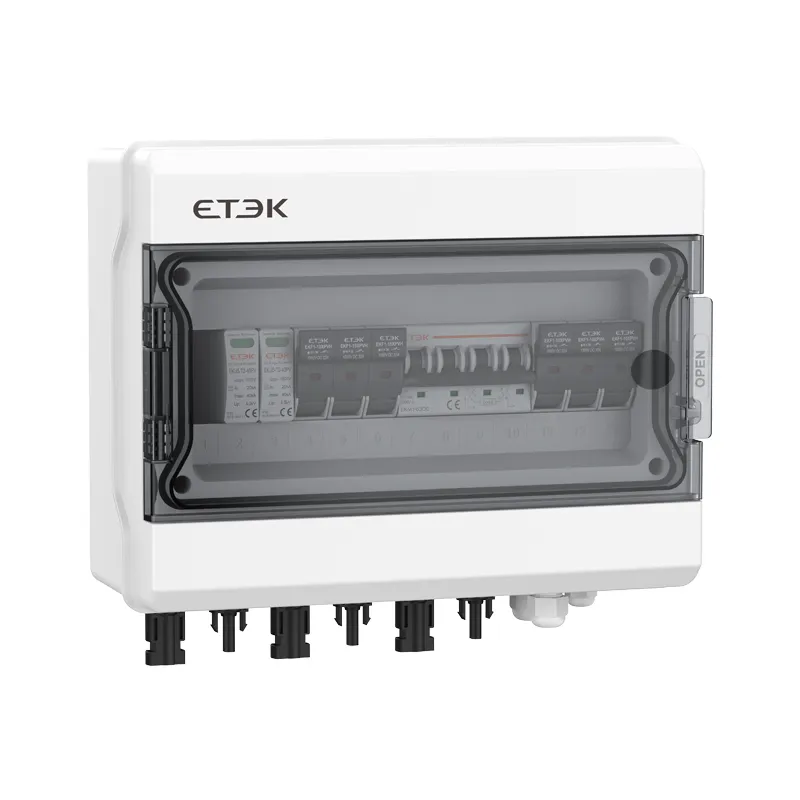
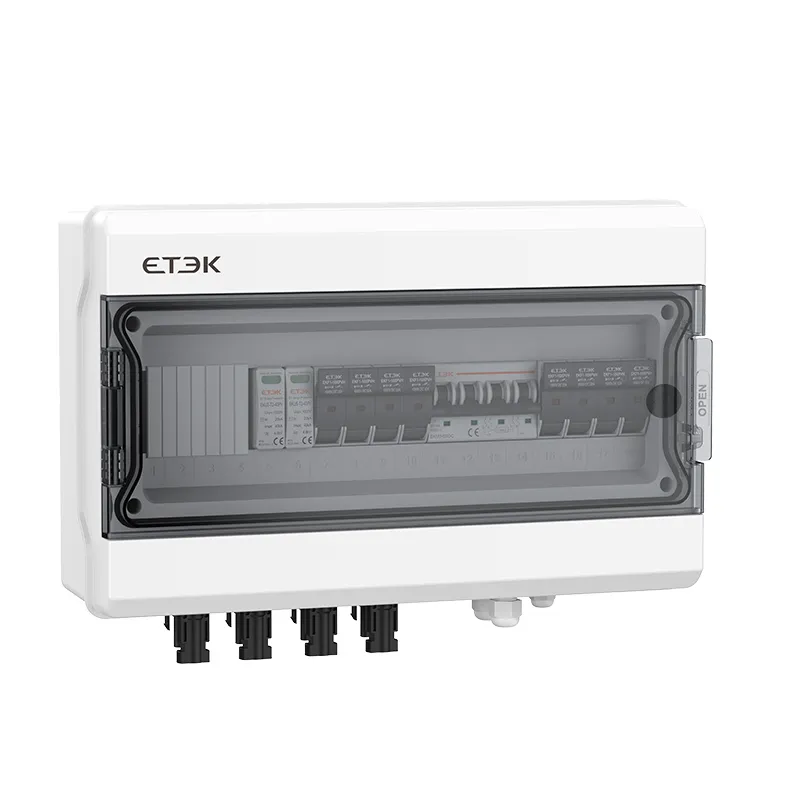
A 500kW solar array on a New Jersey warehouse went dark. The monitoring platform showed a string fault, but no one expected what the morning inspection revealed: a combiner box with its door blown off, internal busbars vaporized, and the unmistakable black soot of a DC arc fault that had burned for nearly two seconds before the upstream fuse finally gave way.
The cause? A single loose terminal screw, installed three years earlier.
This isn't an isolated story. According to a 2021 report by the Fire Protection Research Foundation, DC arc faults were identified as the root cause in 42% of investigated solar system fires where a cause could be determined. The majority occurred inside combiner boxes or disconnect enclosures—places where protection devices are supposed to keep things safe.
So why do these arcs happen, and how can you stop them? Let's open the hood.
Why DC Arcs Are So Hard to Kill
In an AC circuit, voltage drops to zero 100 or 120 times per second. At each zero crossing, any arc has a natural opportunity to extinguish. This is why AC arc faults, while still dangerous, are relatively manageable.
DC has no zero crossing. Once an arc forms between separating contacts or across a broken conductor, the full system voltage continuously pushes current through the ionized plasma. The arc becomes a self-sustaining electric torch, reaching temperatures over 6,000°C—hotter than the surface of the sun.
“We pulled apart a failed string combiner last year,” says a senior field engineer for a national solar O&M provider. “The protection device had tripped, but only after the arc had been burning for almost two seconds. That’s an eternity in fault terms. The housing was completely carbonized.”
The physics is unforgiving. Without proper arc extinguishing hardware, a DC arc can persist until the energy source is physically removed—or until the device destroys itself.
How Modern DC Protection Devices Actually Stop Arcs
Stopping a DC arc requires three coordinated actions inside the protection device, typically completed within 2 to 10 milliseconds.
1. Rapid Contact Separation
When an overcurrent or fault is detected, the device’s mechanism must open the contacts as fast as possible. Spring-loaded mechanisms or electromagnetic repulsion designs can achieve opening speeds of 1–2 meters per second—much faster than any manual switch.
But fast opening alone is not enough. As the contact part, an arc immediately forms across the narrowing gap.
2. Magnetic Blowout – Stretching the Arc
This is where DC-specific engineering becomes critical. A permanent magnet is positioned near the fixed and moving contacts. When the arc forms, its current creates a magnetic field that interacts with the fixed magnet. The resulting Lorentz force pushes the arc sideways—stretching it from a short, intense plasma ball into a long, thin arc.
A stretched arc has much higher electrical resistance. Higher resistance means less current. But still not zero.
3. Arc Chute – Splitting and Cooling
The stretched arc is now directed into an arc chute: a stack of parallel metal plates spaced 1–2mm apart. As the arc enters, each plate splits it into smaller series arcs. Each sub-arc has its own cathode and anode voltage drop. With 8 to 12 plates, the total voltage required to sustain the arc quickly exceeds the system voltage.
The arc can no longer sustain itself. It extinguishes.
The metal plates also absorb thermal energy from the plasma, accelerating deionization and preventing re-strike. A properly engineered DC protection device can extinguish a 1000V/50A arc in under 3 milliseconds. A generic or AC-derived device may take 50 milliseconds—or never extinguish at all.
What Happens When These Features Are Missing?
Devices that lack genuine arc chutes and magnetic blowout—often marketed as “DC rated” without supporting data—fail in predictable ways:
| Failure Mode | Result |
|---|---|
| No arc chute | Arc burns continuously between contacts, melting them together |
| Weak magnetic blowout | Arc cannot be stretched; it remains concentrated, burning through housing |
| Insufficient plates (1–3) | Arc voltage never exceeds system voltage; re-strikes repeatedly |
| No polarity marking | If wired backward, the magnetic field pushes the arc into the contacts, welding them shut |
One testing lab reported that over 60% of low-cost “DC-rated” devices purchased from online marketplaces failed to interrupt a 600V/30A DC arc in controlled tests. Many had no internal arc chute at all.
How to Identify a Protection Device That Can Actually Stop DC Arcs
When reviewing technical datasheets, look for these five indicators:
| Feature | What to Verify |
|---|---|
| DC interrupting capacity | Specified at your exact system voltage (e.g., 10kA at 600V DC, not just “10kA DC”) |
| Time constant | 1ms for batteries, 5ms for PV – must match your application |
| Arc chute plates | Minimum 6–8 plates for 600V+, 10+ plates for 1000–1500V |
| Magnetic blowout | Permanent magnet or coil – verify polarity marking (+/-) |
| Certifications | UL 489 (branch), UL 1741 (PV), or IEC 60947-3 with DC-21B |
If a datasheet does not include these specifications, assume the device has not been properly tested for DC arc extinguishing.
Installation Practices That Preserve Arc Extinguishing Performance
Even the best device can fail if installed incorrectly:
-
Torque terminals to specification – Loose connections create series arcs before the protection device can act.
-
Maintain polarity – Double-check + and – markings, especially after multiple crews work on the same combiner box.
-
Leave adequate wire-bending space – Tight bends stress terminals and can create high-resistance points.
-
Use copper conductors only – Many DC devices are not rated for aluminum; if aluminum is unavoidable, use bi-metallic lugs and follow torque re-torque procedures.
An Ontario-based electrical inspector shared this: “I’ve seen name-brand DC protection devices fail because the installer used a power driver on the terminals. They over-torqued, cracked the housing, and moisture got in. Six months later, corrosion caused high resistance, and an arc fault melted the whole combiner box.”
The Bottom Line: Don’t Assume, Verify
Not all DC protection is created equal. A device that works perfectly for a 48V battery bank may fail catastrophically at 600V on a rooftop array. And a device that clears short circuits may be completely ineffective against series arc faults from loose connections.
When specifying protection for a solar installation, ask the hard questions: Does this device have an arc chute? Is there a magnetic blowout? What is the interrupting capacity at my actual system voltage? Has it been third-party tested for arc fault conditions?
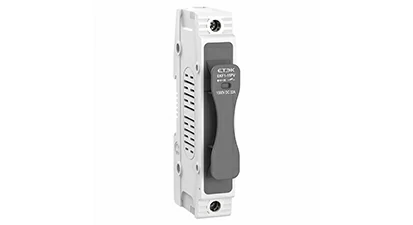
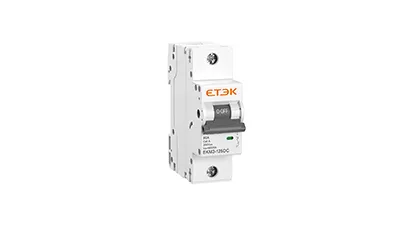
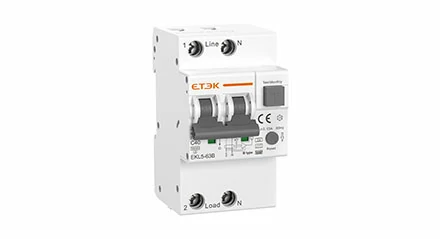
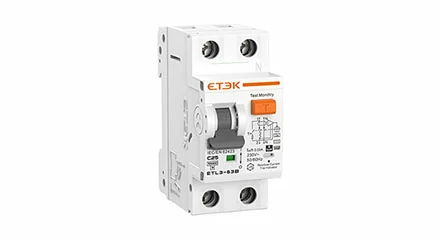
If you are looking for DC protection devices that include full arc chute specifications, magnetic blowout, and documented DC interrupting capacity at multiple voltage levels, explore ETEK's solar-rated product line. Each model includes third-party test reports and application-specific guidance for PV, battery, and combiner box installations.
One Final Question for You
Take a look at your existing combiner boxes or DC disconnects. Do you know—really know—what is inside the protection device? Is there an arc chute? Could it stop a 1000V DC arc in under 5 milliseconds?
If you are not certain, maybe it is time to find out.
References & Notes
-
Fire Protection Research Foundation. (2021). DC Arc Faults in Photovoltaic Systems: Causes and Mitigation. Quincy, MA: NFPA.
-
National Electrical Code (NEC) 2017 & 2020 – Article 690.11 (Arc Fault Protection for Photovoltaic Systems).
-
UL 1699B – Standard for Photovoltaic Arc-Fault Circuit-Protection.
-
IEC 60947-3 – Low-voltage switchgear and controlgear – Part 3: Switches, disconnectors, switch-disconnectors and fuse-combination units (DC ratings and test conditions).
*Disclaimer: This article provides general technical information. Arc fault protection requirements vary by code cycle and jurisdiction. Always consult local regulations (NEC, CEC, AS/NZS 5033, or IEC 62548) and work with licensed electrical professionals for system design and troubleshooting.*