A Surge Protective Device (SPD) is a crucial component in modern electrical safety systems, designed to protect homes, commercial buildings, industrial facilities, and sensitive electronic equipment from transient overvoltages—commonly known as electrical surges. These sudden spikes in voltage can be triggered by lightning strikes, power grid switching, overloads, or faulty wiring. Without proper surge protection, these events can cause equipment damage, data loss, downtime, and even fire hazards. This is why SPDs have become an essential part of electrical installations worldwide.
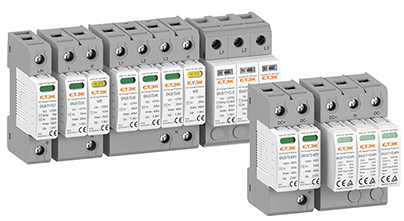
What is a Surge Protective Device?
A Surge Protective Device is an electrical safety device that limits excessive transient voltage by diverting surge energy safely to the ground. It acts as the first line of defense for electrical systems, protecting everything from household appliances to telecommunications networks, industrial machinery, HVAC systems, solar PV panels, and more.
SPDs are widely used because they:
-
Prevent costly damage to electrical equipment
-
Reduce maintenance and replacement costs
-
Improve system reliability and uptime
-
Support compliance with electrical safety standards (IEC, UL, etc.)
For both residential and industrial settings, installing an SPD is a cost-effective way to ensure long-term system safety and performance.
How Surge Protective Devices Work
A surge protective device continuously monitors incoming voltage. When a surge occurs and voltage suddenly exceeds a safe limit, the SPD instantly activates to control or divert the excess energy.
Normal Operation: Under standard voltage conditions, the SPD remains inactive (high impedance), allowing current to flow unobstructed to the connected equipment.
Surge Detection: When a voltage surge exceeds the SPD’s pre-set "clamping voltage," the device rapidly switches to a low-impedance state (typically in nanoseconds).
Energy Diversion: The excess voltage is shunted to the ground via a dedicated grounding conductor, bypassing the protected equipment.
Reset: Once the surge subsides and voltage returns to normal, the SPD reverts to its high-impedance state, resuming normal protection.
Cautions When Installing SPDs
Proper installation is critical to ensuring SPD effectiveness. Avoid these common pitfalls and follow best practices:
Correct Sizing: Select an SPD with a clamping voltage, current rating, and frequency range matching the protected equipment and application.
Short Grounding Path: Ensure the SPD’s ground connection is short, direct, and low-resistance. Long or tangled ground wires reduce surge diversion efficiency.
Proper Wiring: Follow the manufacturer’s guidelines for series/parallel installation. Incorrect wiring (e.g., reversed polarity) can render the SPD ineffective or damage equipment.
Compatibility with System Voltage: Verify the SPD’s rated voltage matches the system’s nominal voltage (e.g., 120V, 240V, 480V) to avoid false tripping or inadequate protection.
Professional Installation: For industrial or high-voltage systems, hire a certified electrician to ensure compliance with local codes and optimal performance.
What Surge Protection Products Does ETEK Offer?
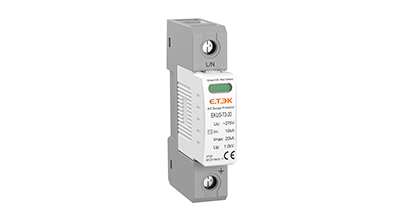
ETEK provides a full range of high-performance Surge Protective Devices designed for residential, commercial, and industrial applications. Their product portfolio includes:
DC Surge Protection Devices
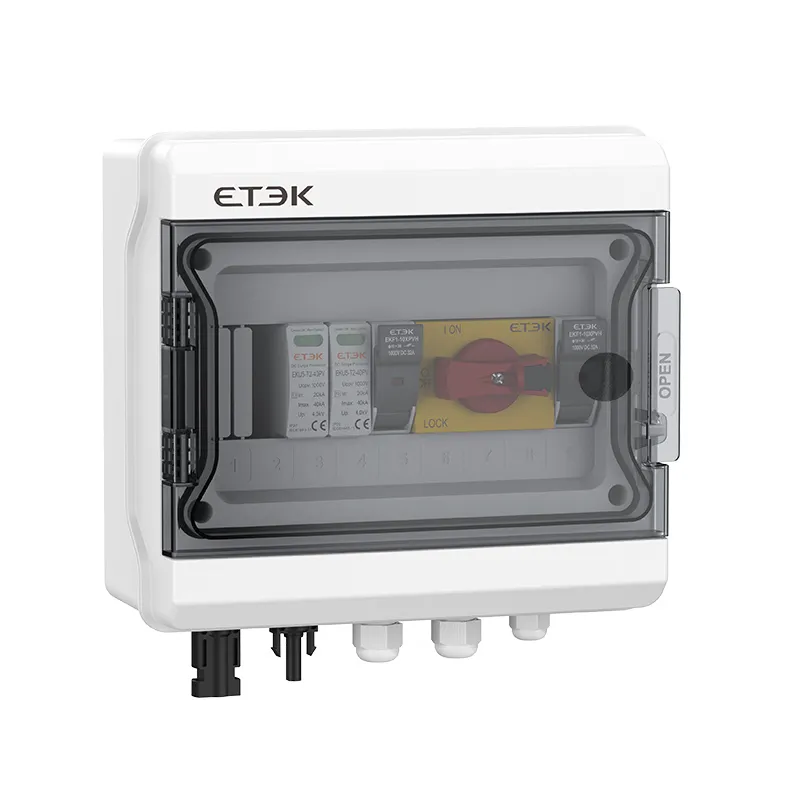
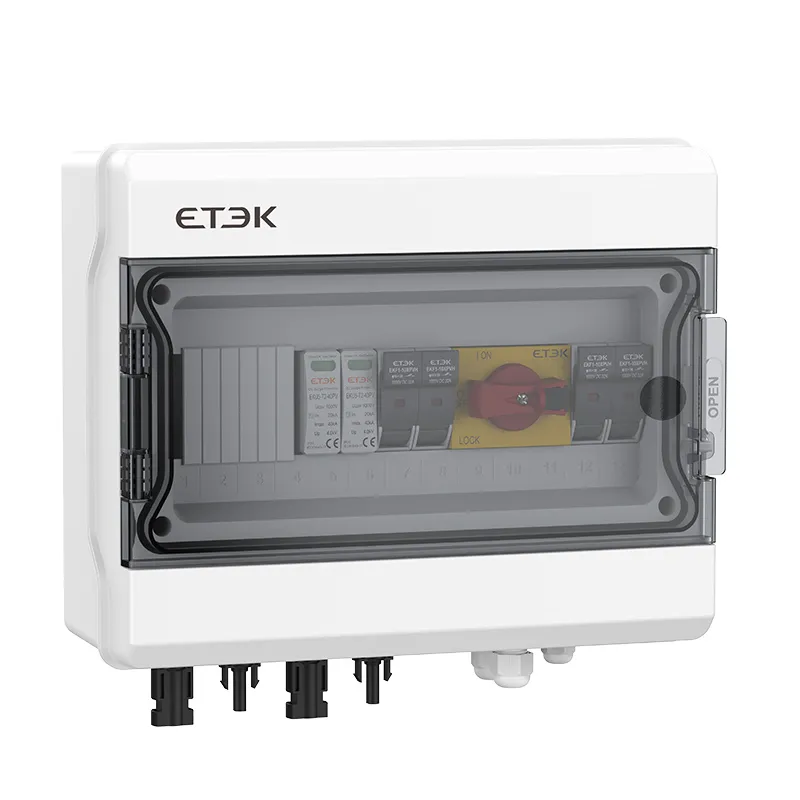
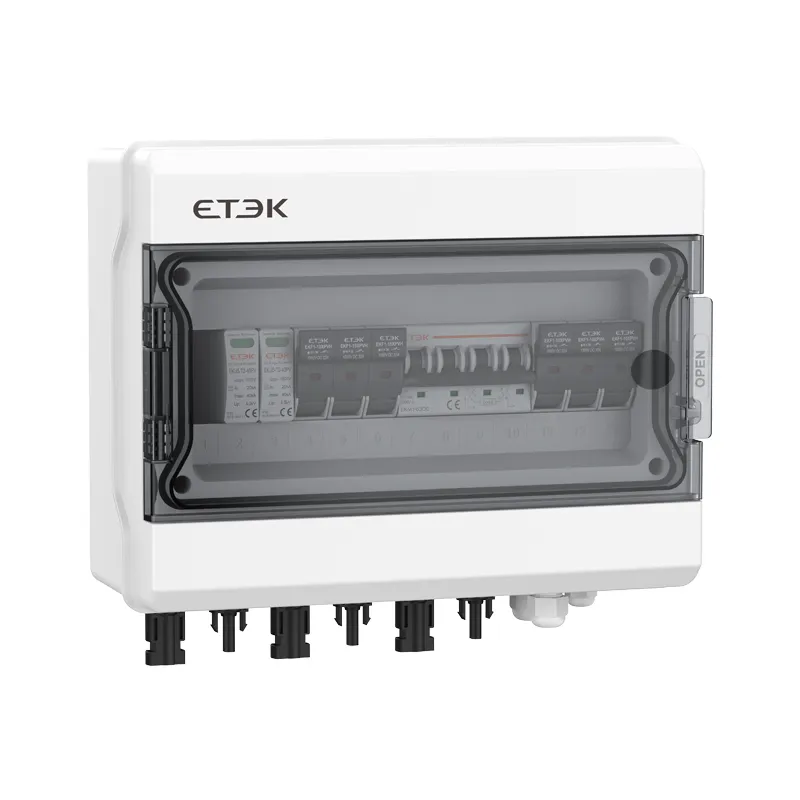
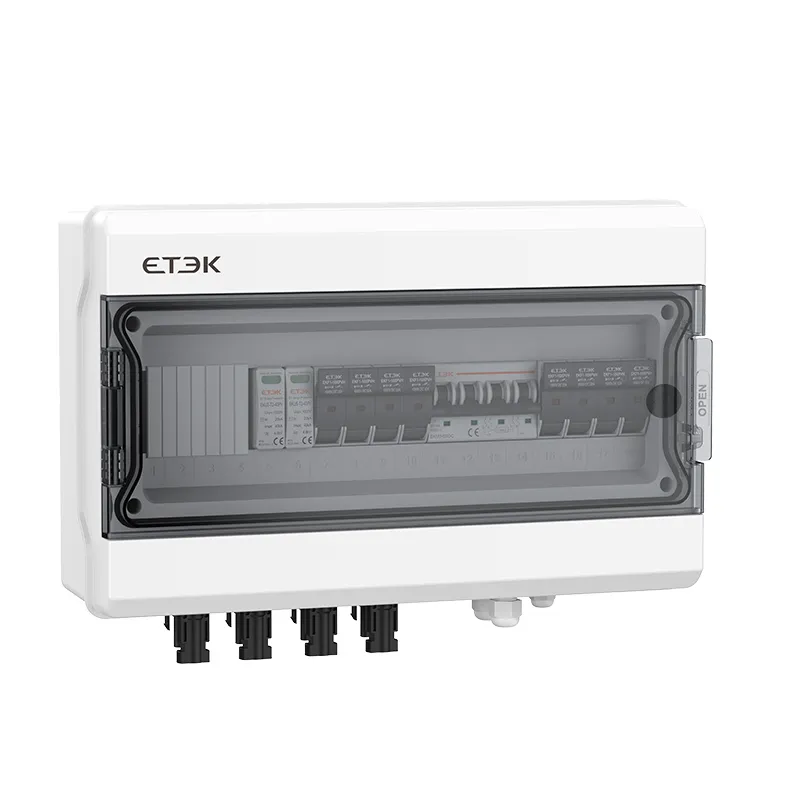
ETEK Solar's DC Surge Protection Devices are expertly designed to safeguard the DC side of photovoltaic systems, including solar panels, combiner boxes, and inverters, against overvoltages caused by lightning or power disturbances.

AC Surge Protection Devices
ETEK Solar provides dependable AC Surge Protection Devices (SPDs) for PV systems, shielding inverters, distribution panels, and sensitive electronics from transient surges.
Conclusion
Surge Protective Devices (SPDs) are essential for maintaining the safety, reliability, and longevity of electrical systems. By understanding how SPDs work, the different types available, and best installation practices, users can ensure strong protection against damaging voltage surges.
ETEK offers a wide selection of high-quality SPDs that meet the needs of residential, commercial, and industrial users, providing dependable defense against transient overvoltage and ensuring stable system performance.
FAQ
Q1: What's the difference between a SPD (Sustainable Power Distribution Device) and a circuit breaker?
A: Circuit breakers are used to prevent overloads and short circuits, with a slower response time (milliseconds). SPDs are specifically designed to protect against transient surge voltages ranging from microseconds to nanoseconds, which circuit breakers cannot detect or respond to.
Q2: My house already has a lightning rod; do I still need an SPD?
A: Absolutely. A lightning rod (lightning arrester) intercepts direct lightning strikes, diverting the lightning current to the ground and protecting the building structure. However, it cannot prevent the massive surge voltage induced in the wires during the lightning current's conduction, which can travel along the wires and damage electrical appliances. SPDs are responsible for handling this threat.
Q3: What is the lifespan of an SPD?
A: The lifespan of an SPD depends on the number and intensity of surges it experiences. MOV-based SPDs slowly degrade with each discharge. Most SPDs have status indicators; green indicates normal operation, and red indicates replacement is needed. Even if no significant surge has ever been experienced, it is recommended to inspect and replace the MOV every 5-10 years or as advised by the manufacturer, as the MOV material will age over time.
-1640.jpg)
 - Enterprise-Protection-Solution-1052.webp)