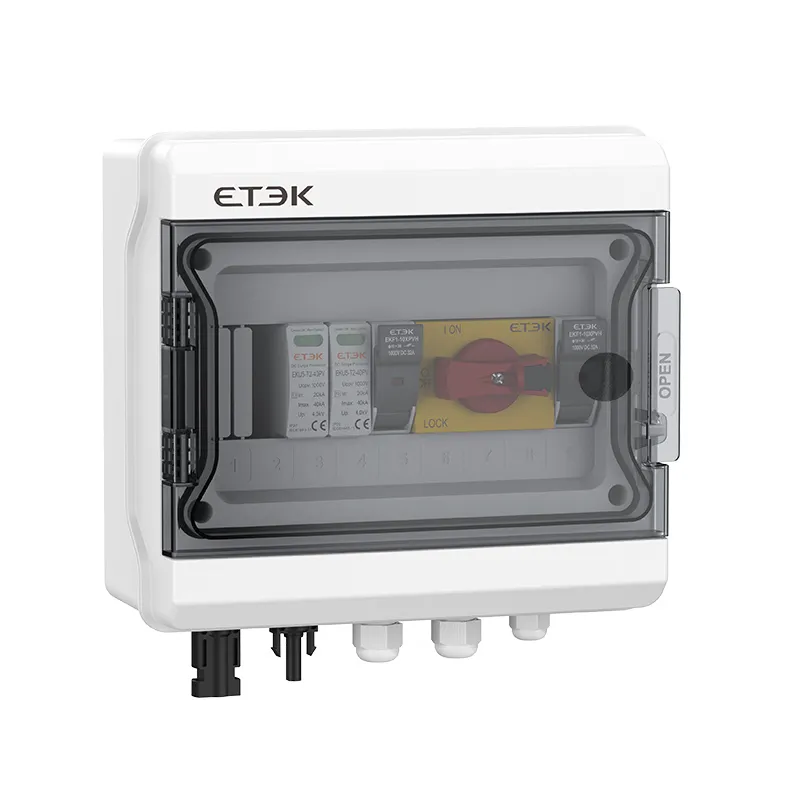
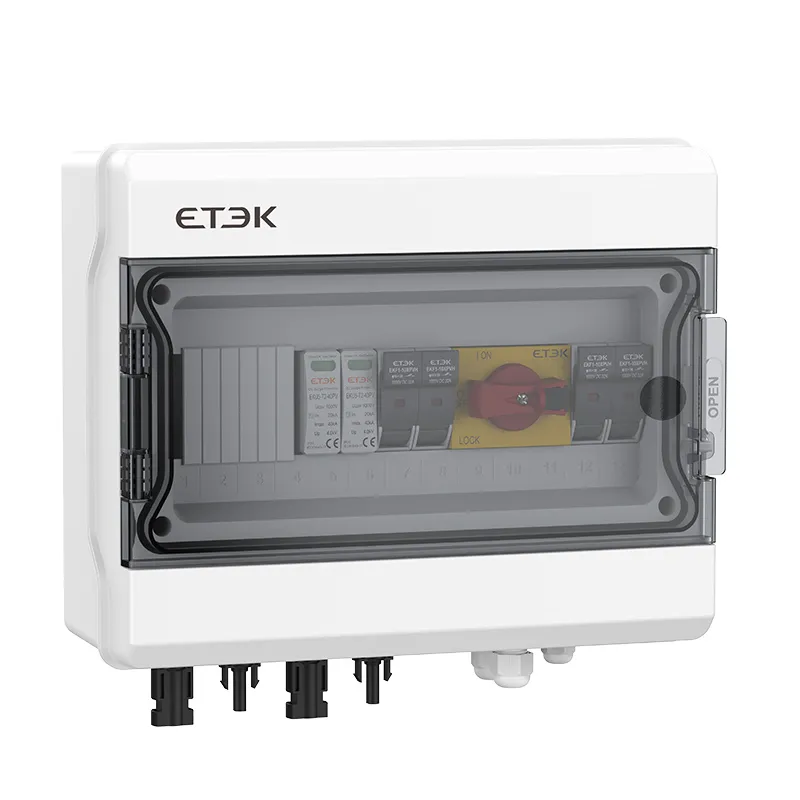
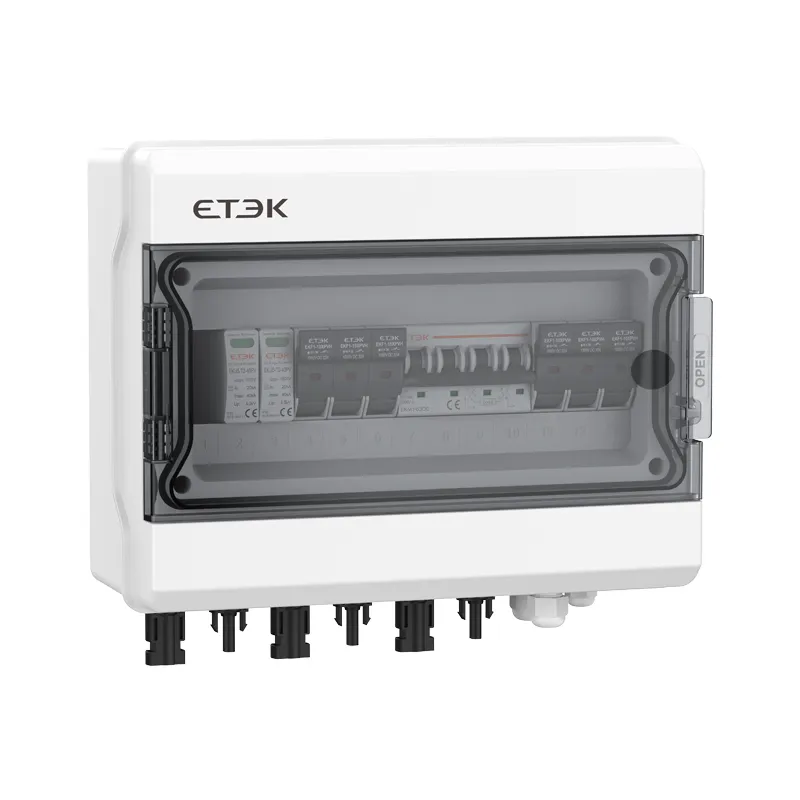
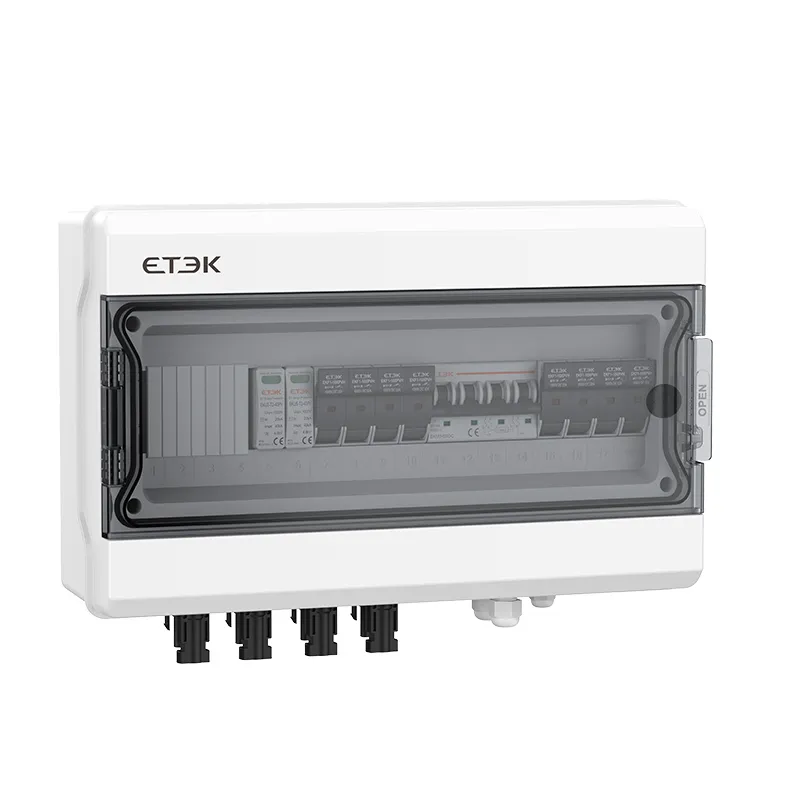
A photovoltaic (PV) combiner box is a critical intermediary component in solar energy systems, acting as a hub between solar panels and inverters. Its role in streamlining power flow, enhancing safety, and simplifying system management makes it indispensable for most medium to large-scale PV installations. Below is a detailed breakdown of key FAQs to help you understand, select, and use PV combiner boxes effectively.
What is the Purpose of the PV Combiner Box?
The core purpose of a PV combiner box is to consolidate multiple DC output strings from solar panels into a single high-current DC feed for connection to a solar inverter. Beyond this primary function, it serves three vital roles:
1. Simplify Wiring: Solar systems often use dozens or hundreds of panels wired in strings. Without a combiner box, connecting each string directly to the inverter would require excessive cabling, increasing installation costs and complexity. The combiner box reduces the number of cables running to the inverter, streamlining the system layout.
2. Enhance Safety: It integrates protective devices to shield the system from electrical hazards. For example, fuses isolate faulty strings to prevent overloads, while surge protectors defend against voltage spikes from lightning or grid fluctuations.
3. Facilitate Monitoring & Maintenance: Many combiner boxes include monitoring ports or built-in meters to track current/voltage from each string. This allows technicians to quickly identify underperforming or faulty strings, reducing downtime and maintenance costs.
Components of a PV Combiner Box
A standard PV combiner box comprises the following key components, each contributing to its functionality and safety:
- Input Terminals: Connect to the positive and negative leads of individual PV strings, typically labeled for easy identification.
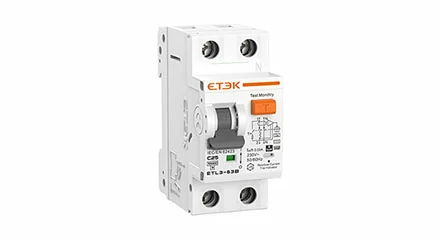
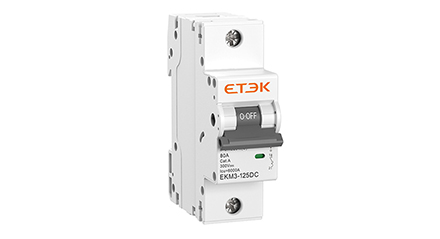
- Fuses/Circuit Breakers: One per string, these overcurrent protection devices (OCPDs) disconnect a string if it draws excessive current, preventing damage to panels or wiring.
- Busbar: A conductive bar that aggregates current from all input strings into a single output. It is sized to handle the total system current safely.
- Surge Protection Device (SPD): Also known as a lightning arrester, it diverts transient overvoltages to ground, protecting sensitive components like inverters.
- Output Terminals: Connect the busbar to the inverter, delivering the consolidated DC power.
- Monitoring Unit (Optional): Includes current sensors, voltage meters, or communication modules to transmit string-level performance data to a central monitoring system.
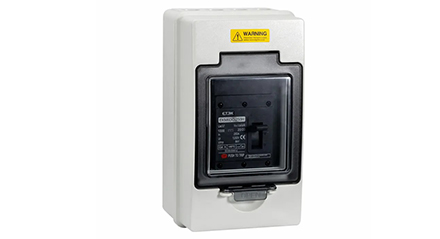
- Enclosure: A weatherproof or dustproof casing with a specified IP rating to shield internal components from environmental factors.
- Grounding Terminals: Ensure proper grounding of the enclosure and internal components to minimize electric shock risks.
How to Choose a PV Combiner Box?
Selecting the right PV combiner box requires matching its specifications to your system’s needs. Consider the following factors:
1. String Capacity: Choose a box with enough input terminals to accommodate your PV strings. For example, a 16-string combiner box is suitable for a system with 16 parallel PV strings.
2. Rated Current/Voltage: The combiner box’s rated current and voltage must exceed the system’s maximum operating current and voltage. Typical ratings range from 10A–30A per string and 600V–1500V DC.
3. Protection Level: Opt for an enclosure with an IP rating appropriate for the installation environment. Outdoor installations require at least IP65, while indoor use may suffice with IP54.
4. Surge Protection: Ensure the box includes a DC SPD rated for your system’s voltage. Look for SPDs with international certifications for reliability.
5. Monitoring Needs: If string-level monitoring is critical, select a box with integrated current sensors or compatibility with third-party monitoring tools.
6. Certifications & Quality: Choose products certified by reputable bodies to ensure compliance with safety standards. Prioritize brands with a track record of durability in solar applications.
7. Future Expansion: If you plan to add more PV strings later, select a combiner box with extra input terminals to avoid replacing the entire unit.
When Should I Use a Combiner Box?
A PV combiner box is not mandatory for all systems, but it is highly recommended in the following scenarios:
1. Systems with 4+ PV Strings: Small residential systems may connect directly to the inverter without a combiner box. However, systems with 4 or more strings benefit from simplified wiring and centralized protection.
2. Commercial/Utility-Scale Systems: Large installations with dozens or hundreds of strings rely on combiner boxes to manage power flow, monitor performance, and ensure safety at scale.
3. Systems Requiring String-Level Protection: If you need to isolate faulty strings without shutting down the entire system, a combiner box with individual fuses/breakers is essential.
4. Installations in Lightning-Prone Areas: A combiner box with an integrated SPD provides cost-effective surge protection for the entire system, reducing the risk of inverter damage from lightning strikes.
5. Systems Needing String-Level Monitoring: If tracking the performance of individual strings is important, a combiner box with monitoring capabilities is a valuable investment.
Conclusion
A PV combiner box plays a vital role in ensuring safe, efficient, and organized operation of a solar power system. By combining multiple strings, providing overcurrent and surge protection, and simplifying wiring, it improves both system reliability and ease of maintenance. Selecting the right combiner box—based on strings, ratings, enclosure quality, and standards—is crucial for long-term performance.
FAQ
Q1. Is a PV combiner box always required?
A: No. It’s only needed when you have multiple PV strings that must be combined.
Q2. Can I install a combiner box indoors?
A: Yes, but outdoor installation near the PV array is more common.
Q3. What is the difference between a combiner box and a junction box?
A: A junction box only connects cables; a combiner box provides protection, fusing, and consolidation of strings.
Q4. Does a combiner box include surge protection?
A: Many include SPDs, but always verify the specification.
Q5. How long does a PV combiner box last?
A: High-quality models can last 10–20 years, depending on environment and enclosure material.
-1640.jpg)
 - Enterprise-Protection-Solution-1052.webp)