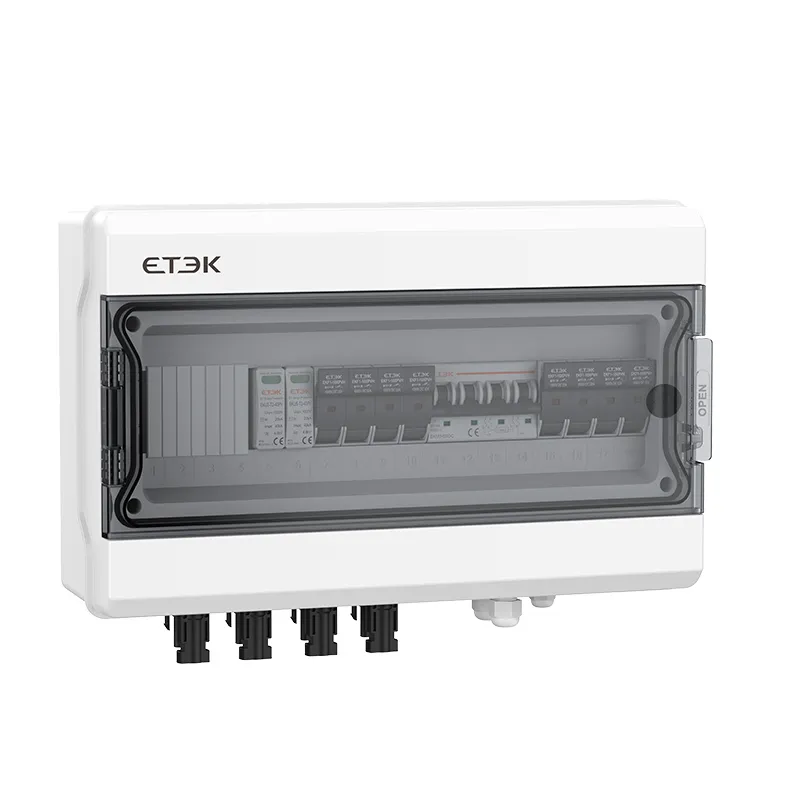
Last summer, a homeowner in Texas noticed a burning smell coming from the garage. The solar inverter was still running, but the DC disconnect box mounted next to it had turned brown around the edges. When the electrician opened it, the internal switch was partially melted—and had been arcing internally for weeks.The system was only three years old.
This isn't an isolated incident. Rooftop solar arrays operate in some of the harshest conditions imaginable: summer heat pushing internal enclosure temperatures above 70°C, morning condensation, UV exposure, and vibration from wind. Add to that the inherent challenge of DC circuits—where arcs don't self-extinguish—and you have a recipe for trouble.
So what should you look for when specifying overcurrent protection for a rooftop PV system? Let's walk through the practical considerations.
Why Rooftop DC Protection Is Different
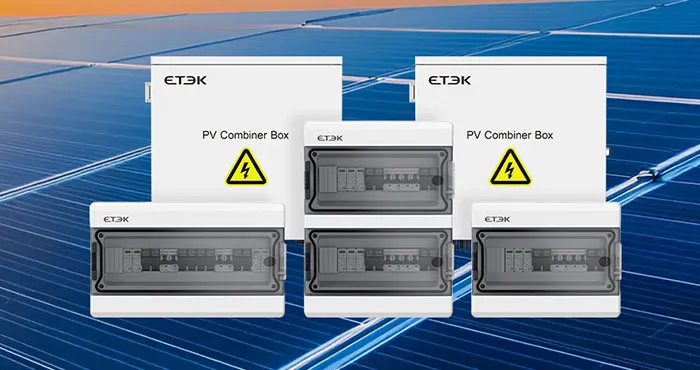
Unlike the tidy AC panel in your basement, a rooftop DC combiner box lives outdoors. It experiences thermal cycling daily. Terminals expand and contract. Moisture finds its way through gland fittings. And the protection device inside must handle not just overloads, but also the possibility of a sustained DC arc.
According to data from the National Renewable Energy Laboratory (NREL), DC arc faults are a leading cause of PV system fires—and rooftop arrays are particularly vulnerable because they're difficult to inspect regularly.
The difference between a safe installation and a dangerous one often comes down to three key design features.
Feature 1: Genuine DC Arc Extinguishing
To interrupt a DC fault, you need more than just contact separation. The device must actively force the arc into an arc chute—a stack of metal plates that splits and cools the plasma. Some designs also use a magnetic blowout mechanism that stretches the arc sideways using permanent magnets.
Look for these internal components in technical drawings. If the datasheet doesn't show them, ask why.
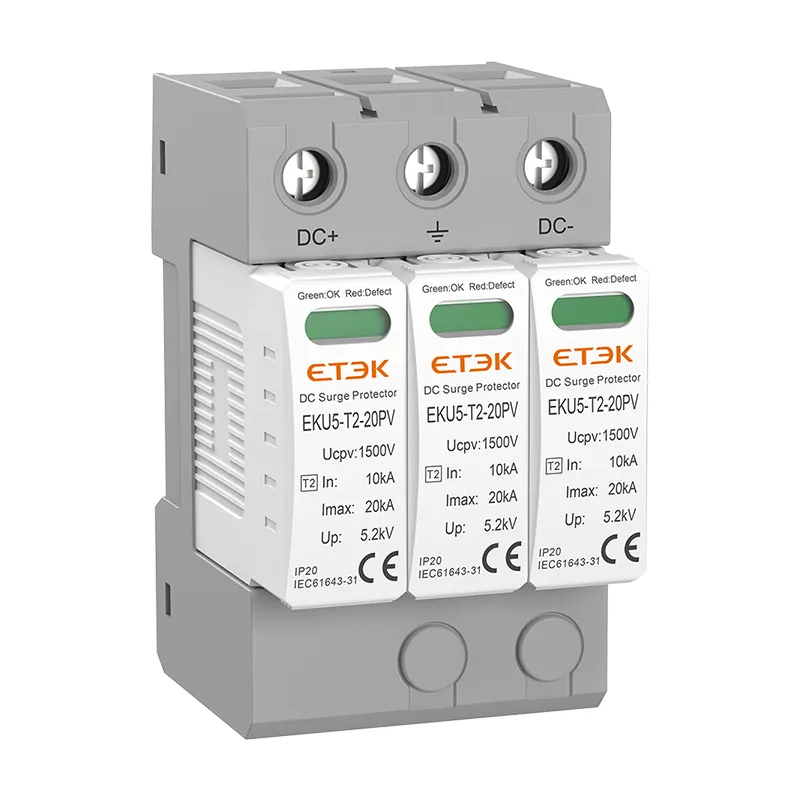
A properly engineered rooftop-rated protector will specify its DC interrupting capacity at the exact voltage of your array (e.g., 600V DC, 1000V DC, or 1500V DC)—not just a generic "DC capable" claim.
Feature 2: Environmental Sealing (IP Rating Matters)
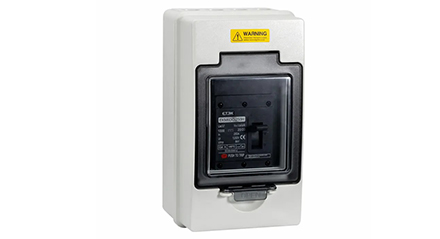
On a rooftop, dust and moisture are constants. An IP20 device (common for indoor panels) will eventually fail. For outdoor combiner boxes, look for:
-
IP66 or higher – Protected against powerful water jets and dust ingress
-
Sealed actuator – The toggle or lever must have gaskets, not open gaps
-
Corrosion-resistant terminals – Plated copper or stainless steel hardware
One large installer in Florida reported a 40% reduction in service calls after switching to fully sealed DC protection units. The primary failure mode before the switch? Corroded internal contacts that led to high resistance and eventual overheating.
Feature 3: Clear Polarity Marking and Wiring Guidance
Rooftop installations are often completed by multiple crews over several days. Mistakes happen. A protection device designed for photovoltaic systems should have:
-
Permanent polarity markings (+ and –) molded into the housing, not just on a sticker
-
Torque specifications clearly printed near each terminal
-
Stripping length guides to prevent over-insertion of conductors
A 2023 field study by a European PV association found that 18% of DC combiner box failures were traced to incorrectly torqued terminals. The result: heat buildup, melted insulation, and in some cases, arc tracking across the device surface.
Common Rooftop Installation Mistakes (And How to Avoid Them)
Even with the right hardware, installation errors can undo all the safety benefits. Here are three frequent issues observed by inspectors:
- Mixing brands in the same combiner box:Different manufacturers have different terminal designs and torque requirements. A terminal from Brand A may not fully capture a conductor sized for Brand B's lug. Always use protection devices from the same family within an enclosure.
- Ignoring temperature derating:A device rated for 32A at 40°C may only handle 28A at 60°C. Rooftop enclosures regularly exceed 60°C in summer. Check the derating curve in the datasheet and size up accordingly.
- Using the wrong tool for torque:"Tight enough" isn't a specification. Use a calibrated torque screwdriver or wrench. For aluminum conductors (common in large rooftop arrays), re-torque after 24 hours—aluminum relaxes under terminal pressure.
How to Evaluate Protection Devices for Your Next Rooftop Project
When you're comparing options, ask these four questions:
| Consideration | What to Look For |
|---|---|
| DC voltage rating | Must match or exceed array Voc at lowest expected temperature |
| Interrupting capacity (Icn) | At least the available fault current from your strings + batteries |
| Environmental rating | IP66 minimum for rooftop; IP67 for areas with standing water |
| Certifications | UL 489 (branch), UL 1077 (supplementary), or IEC 60947-3 with DC |
For residential rooftop systems (400V–600V DC), a device with 10kA interrupting capacity typically suffices. For commercial arrays (1000V–1500V DC), look for 20kA or higher, especially if batteries are connected.
Beyond the Device – System-Level Best Practices
The protection device is critical, but it's part of a larger safety ecosystem. Consider adding:
-
DC arc fault detectors (required by NEC 2017 and later for rooftop PV)
-
Rapid shutdown initiators (per NEC 690.12)
-
Regular thermal imaging inspections – hotspots indicate loose connections before they fail
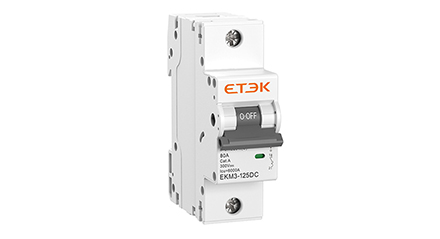
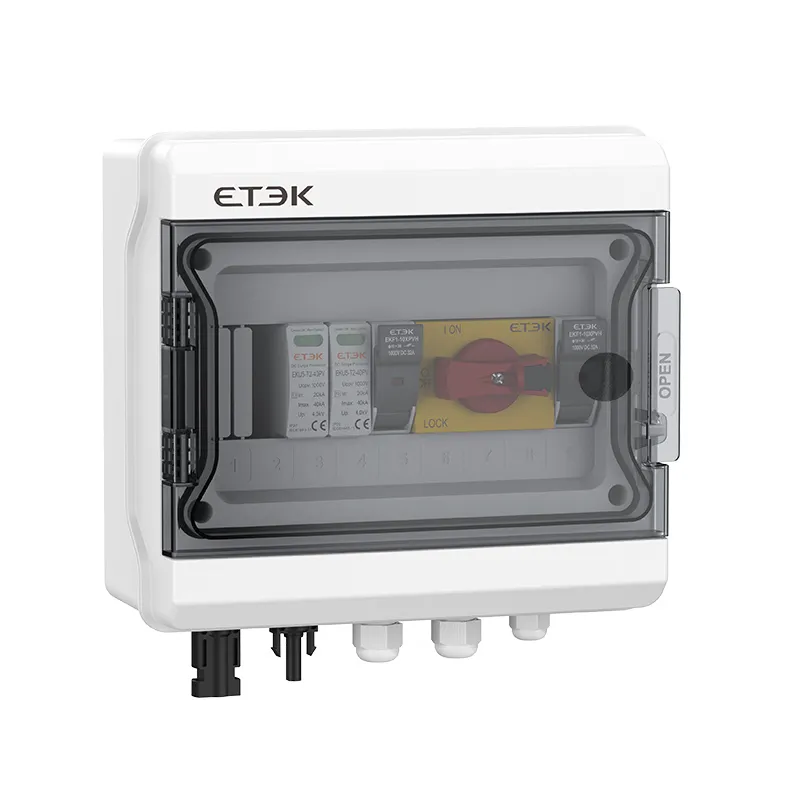
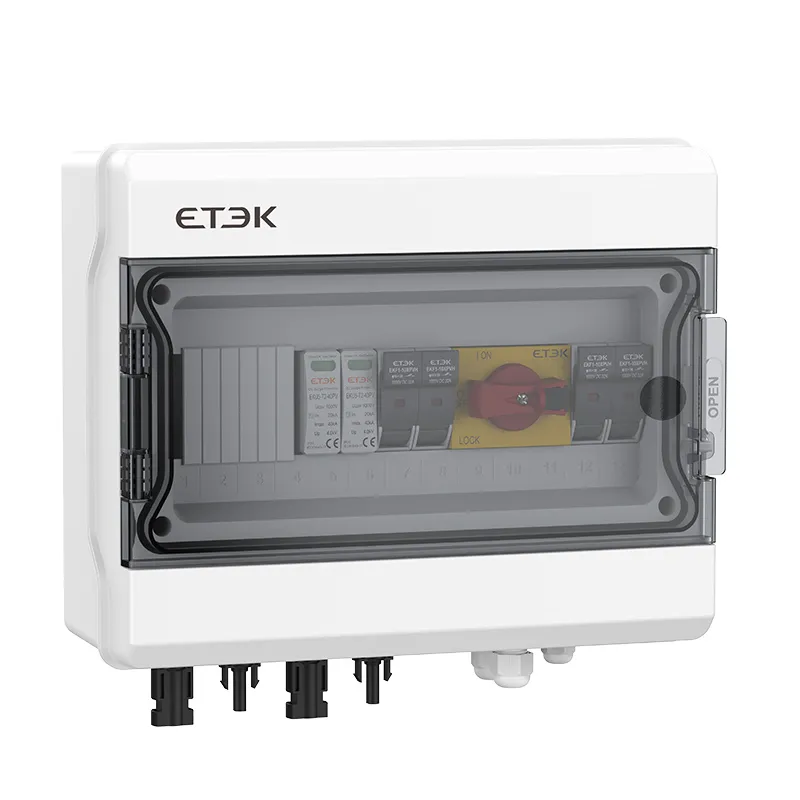
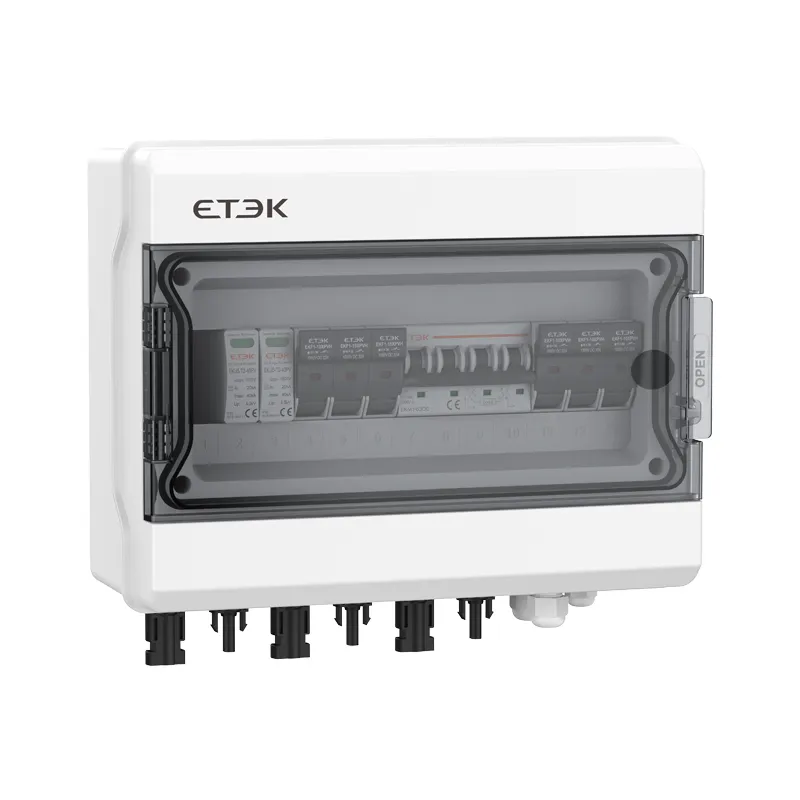
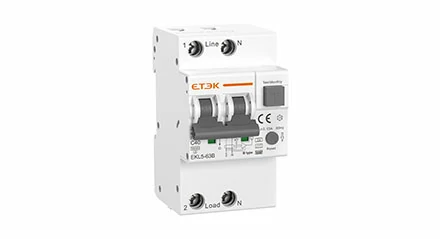
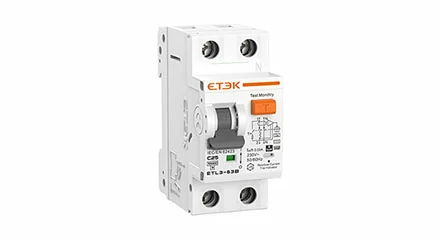
If you're specifying components for a new rooftop installation or replacing aging hardware in an existing combiner box, browse ETEK's range of solar-rated DC protection devices – each model includes detailed arc chute specifications, IP ratings, and temperature derating curves.
A Final Reality Check
No protection device can compensate for poor installation practices. But choosing the right one—with genuine DC arc extinguishing, proper environmental sealing, and clear polarity marking—significantly reduces the probability of a rooftop fire. And given that a single residential array can cost $30,000 or more, the incremental cost of better protection is negligible compared to the risk.
Disclaimer: This article provides general guidance only. Always consult local electrical codes (NEC, CEC, or IEC) and work with licensed professionals when designing or modifying PV systems.
-1640.jpg)