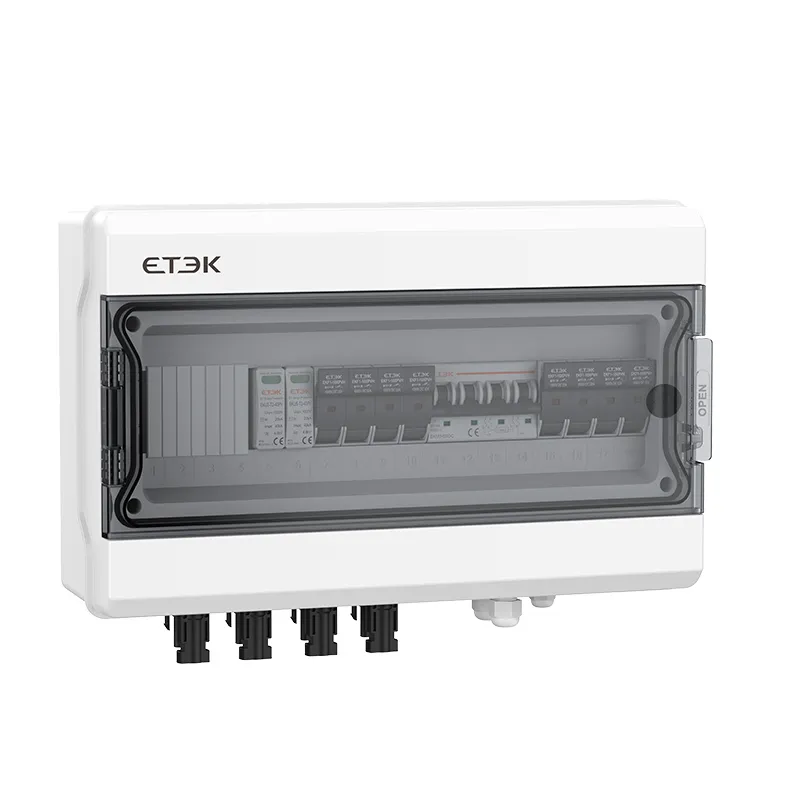
When Sarah’s residential solar installation tripped for the third time in a month, her installer blamed “a bad disconnect.” But the real culprit was an undersized protective device not rated for continuous DC current. Stories like Sarah’s are surprisingly common. According to a 2023 industry report, nearly 30% of residential PV system failures trace back to improperly selected overcurrent protection.
So how do you choose a reliable protective device for your solar project? It’s not about picking the cheapest component or the one with the highest amp rating. Solar circuits behave differently from standard AC household wiring. Let’s break down what actually matters.
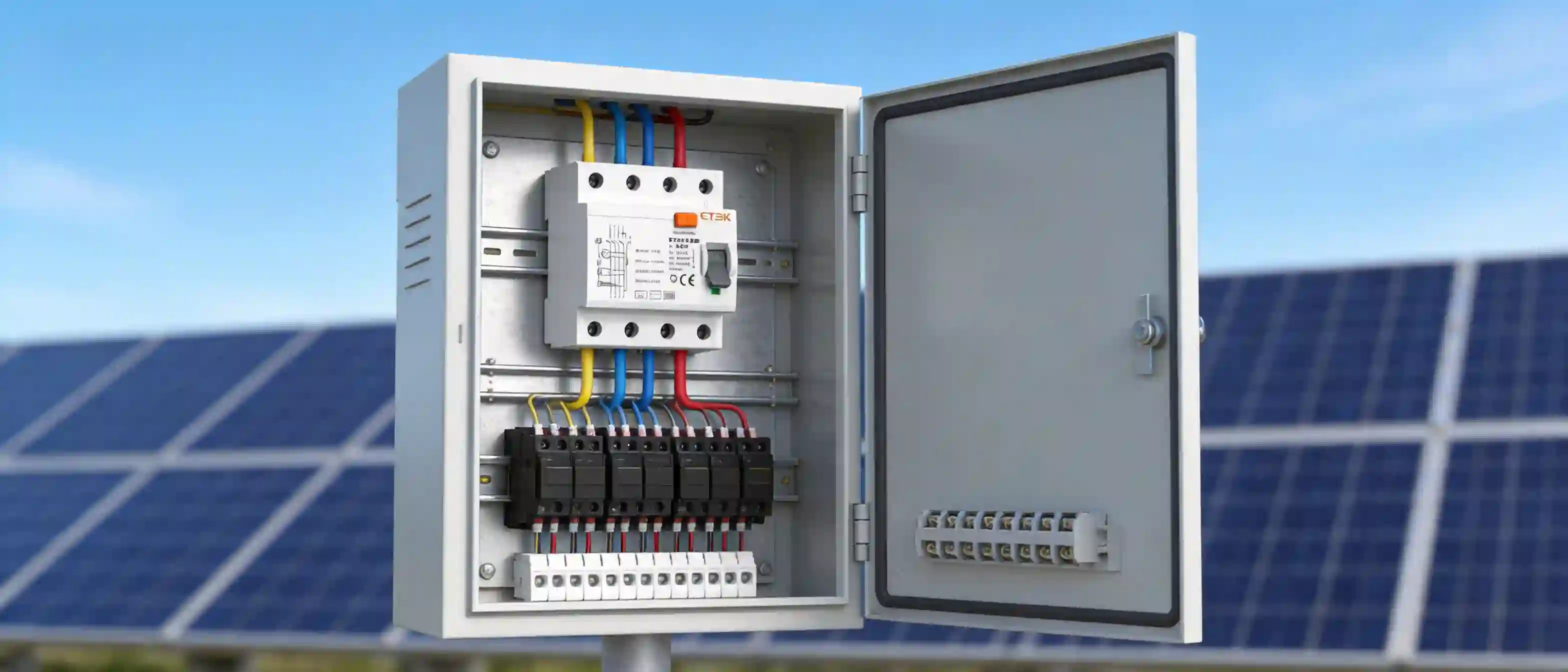
Why Solar Circuits Demand Special Attention
Unlike grid power, photovoltaic (PV) systems generate direct current. DC arcs don’t self-extinguish as easily as AC arcs – they can sustain across an air gap, creating fire hazards. Additionally, solar output fluctuates with sunlight, meaning your protective device must handle variable current without nuisance tripping.
Another hidden factor: reverse current. When batteries or multiple strings are involved, a fault can send current flowing backward through panels. Standard AC-rated switches often fail under these conditions. This is why engineers look for components specifically tested for DC photovoltaic applications – a category with its own set of standards (more on that later).
Three Technical Parameters You Cannot Ignore
Choosing the right solar protection device boils down to three core specifications. Miss any one, and you risk equipment damage or safety violations.
1. Rated Voltage (DC) – Always Match or Exceed System Voltage
Solar strings commonly operate at 600V, 1000V, or even 1500V DC for utility-scale projects. A device rated for 250V DC will fail catastrophically in a 600V array. The rule: your protective component’s DC voltage rating must be at least as high as the maximum system voltage. For example, a 1000V DC rated device is mandatory for commercial strings approaching that threshold.
2. Continuous Current Rating vs. Short-Circuit Current
Here’s where many spec sheets mislead. Solar panels produce about 1.25 times their rated current under peak sunlight (due to irradiance edge effects). NEC 690.9 requires protection devices to handle 125% of the maximum current. If your string’s Isc (short-circuit current) is 40A, you need a device rated for at least 50A continuous.
But there’s a second number: the interrupting rating (AIC – Ampere Interrupting Capacity). This tells you how much fault current the device can safely stop. A typical residential string might see 5kA fault current, while a large combiner box could face 20kA. Choose a rating that exceeds your calculated available fault current – otherwise, the device could weld shut or explode during a short circuit.
3. Temperature and Environmental Durability
Rooftop enclosures easily reach 70°C (158°F) on a summer afternoon. Heat derates protective components. A device rated for 50A at 25°C might only handle 40A at 70°C. Look for published derating curves. Also check ingress protection (IP rating) – IP65 or higher is recommended for outdoor solar applications.
If you need to compare detailed technical specifications across different grades of equipment, explore industrial-grade options with full datasheets here.
Certifications That Separate Safe Gear from Risky Imitations
Not all protective devices are created equal. In solar installations, three certifications carry real weight:
-
UL 489 (North America): Molded-case circuit breakers for branch protection. Required for most residential and commercial PV systems.
-
UL 1077 (Supplementary protectors): Acceptable only as additional protection downstream of a UL 489 device – not as the main disconnect.
-
IEC 60947-2 (International): Standard for low-voltage switchgear and controlgear. Look for DC-specific ratings in the manufacturer’s declaration.
For solar-specific applications, the UL 1741 standard (inverters and converters) often references these protective components. Additionally, NEC 2023 Section 690.13 explicitly requires that all overcurrent protection devices be “plainly indicated” and rated for the DC voltage present.
A practical tip: Ask suppliers for third-party test reports. Many low-cost devices carry fake CE or “tested to UL standards” labels without actual certification. According to a field study by a major PV maintenance provider, over 15% of failed disconnects in the past two years came from uncertified components.
Four Common Mistakes That Lead to System Failures
Even experienced electricians sometimes fall into these traps:
- Using AC-only breakers in DC circuits:AC components rely on the zero-crossing of the sine wave to extinguish arcs. DC has no zero-crossing. Result: internal contacts may continue arcing, melting the enclosure. Always verify DC rating explicitly on the label.
- Ignoring polarity on unipolar devices:Some DC protectors are polarity-sensitive. Reversing positive and negative can disable arc quenching – a serious fire hazard. Bipolar or polarity-free designs are safer for field installations where wiring mistakes happen.
- Daisy-chaining multiple low-rated devices instead of one correctly sized unit:This creates unpredictable heat distribution and makes fault localization impossible. One properly rated device is always better than two undersized units in series.
- Forgetting torque specifications on terminals:Loose connections generate heat, which increases resistance, which generates more heat – a runaway condition. Use a calibrated torque driver. Many manufacturers specify 2.5–3.5 Nm for typical lug terminals.
Step-by-Step Selection Process for a Typical Solar String
Let’s walk through a realistic scenario: You have a ground-mount array with three parallel strings, each string’s Isc = 9.8A, total array Isc = 29.4A. System voltage = 600V DC. Available fault current at combiner box = 10kA.
Step 1: Calculate minimum continuous current – 29.4A × 1.25 = 36.75A → round up to 40A rating.
Step 2: Verify DC voltage rating – need 600V DC minimum (choose 600V or 1000V device).
Step 3: Interrupting rating – must exceed 10kA. A 14kA or 25kA device works.
Step 4: Check temperature – if ambient reaches 60°C, apply derating factor (e.g., 0.8 from datasheet) → 40A / 0.8 = 50A required base rating.
Step 5: Confirm certification – UL 489 listed for DC, with clear markings.
That’s your technical baseline. Now, also consider physical compatibility – does it fit your combiner box’s DIN rail or panel cutout?
Maintenance Checks That Extend Equipment Life
Once installed, a quick visual inspection every six months prevents most failures. Look for:
-
Discolored terminals (signs of overheating)
-
Loose mounting screws
-
Dust or debris inside enclosures (use compressed air)
-
Unusual clicking sounds during normal operation
For systems over 5 years old, consider thermal imaging during a sunny midday. Hotspots on the device body indicate internal resistance increases. Some facility managers schedule this with their annual PV performance test.
When to Upgrade to Industrial-Grade Solutions
Residential systems with simple 1-2 strings often get by with standard DC protectors. But as your solar installation grows – multiple inverters, battery storage, or commercial loads – the demands change. Higher fault currents, tighter coordination with upstream breakers, and remote monitoring become essential.
Industrial-grade protective components offer features like:
-
Adjustable trip curves (for selective coordination)
-
Auxiliary contacts (for remote status indication)
-
Higher interrupting ratings (up to 50kA DC)
-
Wider temperature ranges (-25°C to +85°C)
If you’re designing a system where downtime costs more than $500 per hour, or where safety compliance audits are frequent, investing in verified, professionally-engineered devices pays back quickly.
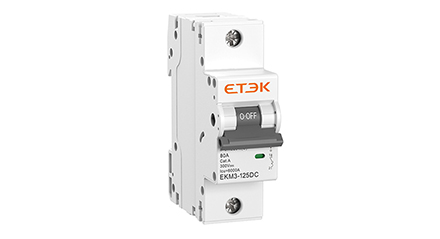
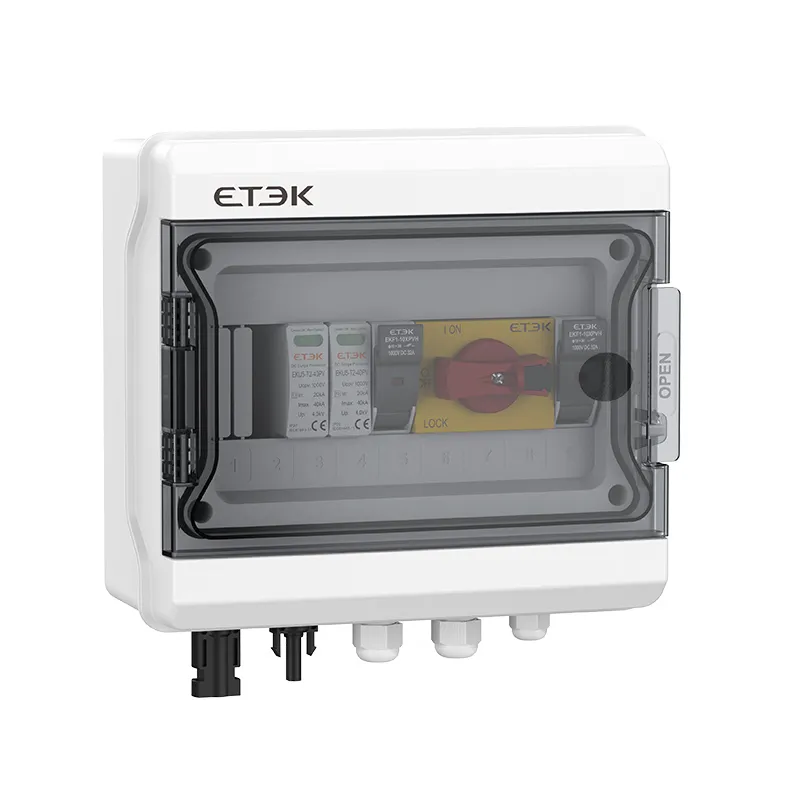
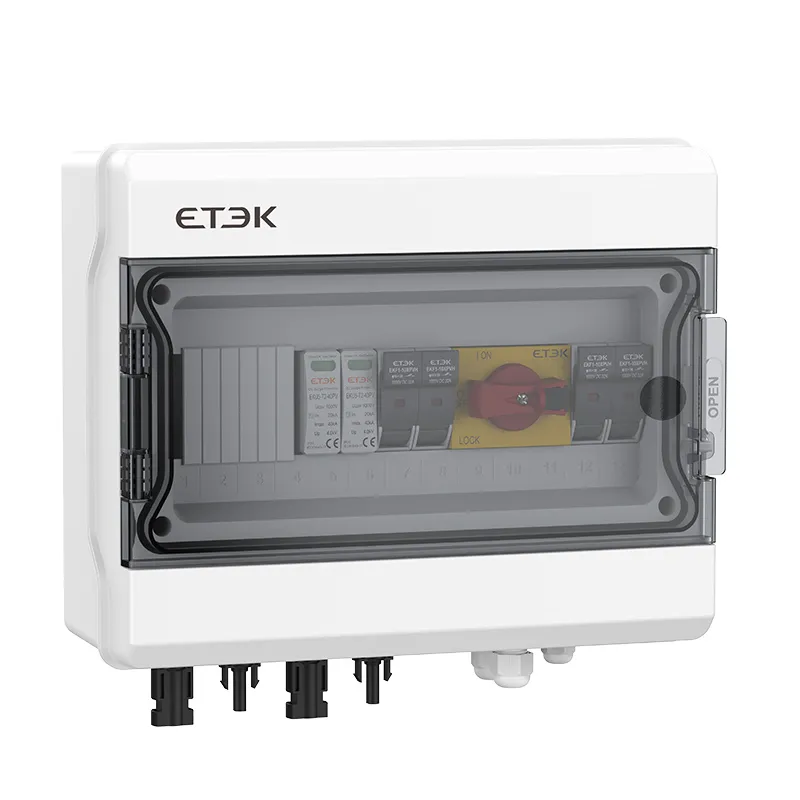
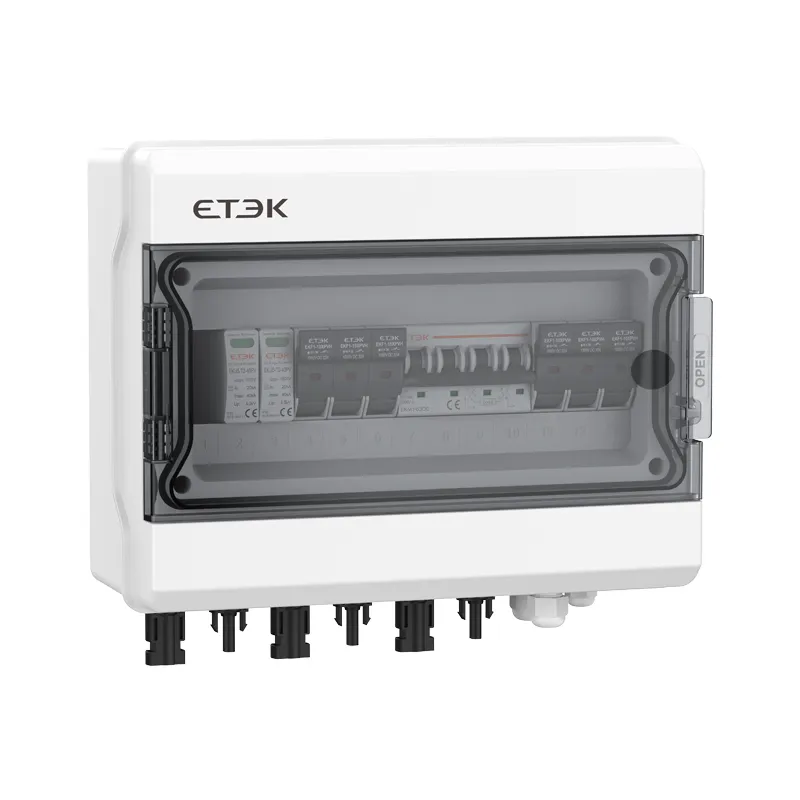
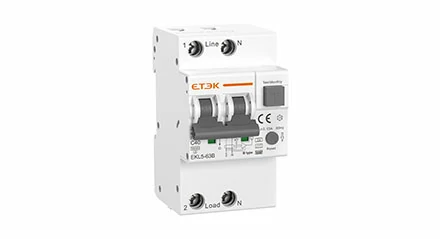
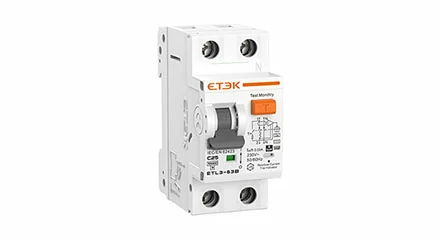
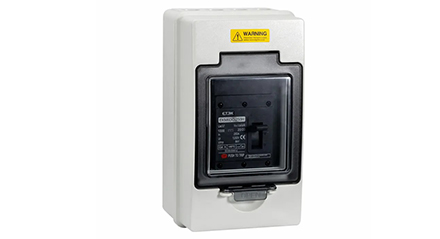
For projects that demand consistent performance under harsh conditions, see how ETEK’s solar-rated solutions are built for long-term reliability. Their lineup includes polarized and non-polarized DC protectors with third-party certifications.
Final Thought: Don’t Let Component Choice Be an Afterthought
Many solar installers spend weeks optimizing panel tilt and inverter placement, then grab any “DC breaker” from the shelf. That mismatch causes voltage drop, nuisance trips, and in worst cases, arc flash incidents. Treat your overcurrent protection with the same engineering rigor as the rest of the system.
Ask suppliers for test reports. Verify ratings with your string design. And when in doubt, choose a component with headroom – higher voltage rating, higher interrupting capacity, and clear certification markings. Your future self (and your insurance provider) will thank you.
Have you encountered a solar protection failure that could have been avoided? Or need help interpreting a specific datasheet? Feel free to reach out through the brand’s technical support channel – experienced engineers can help match components to your exact string configuration.
-1640.jpg)