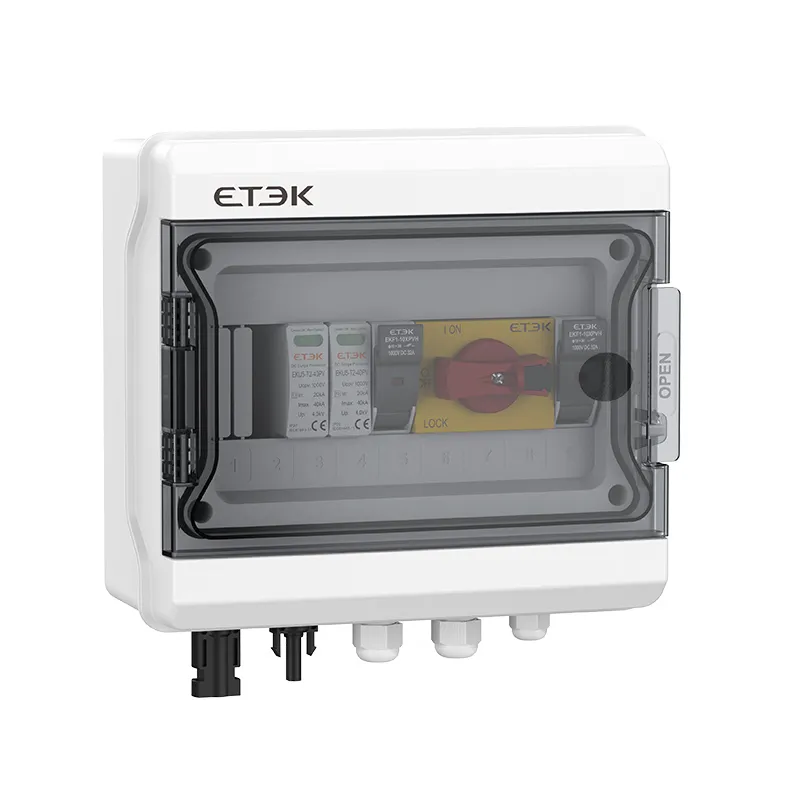
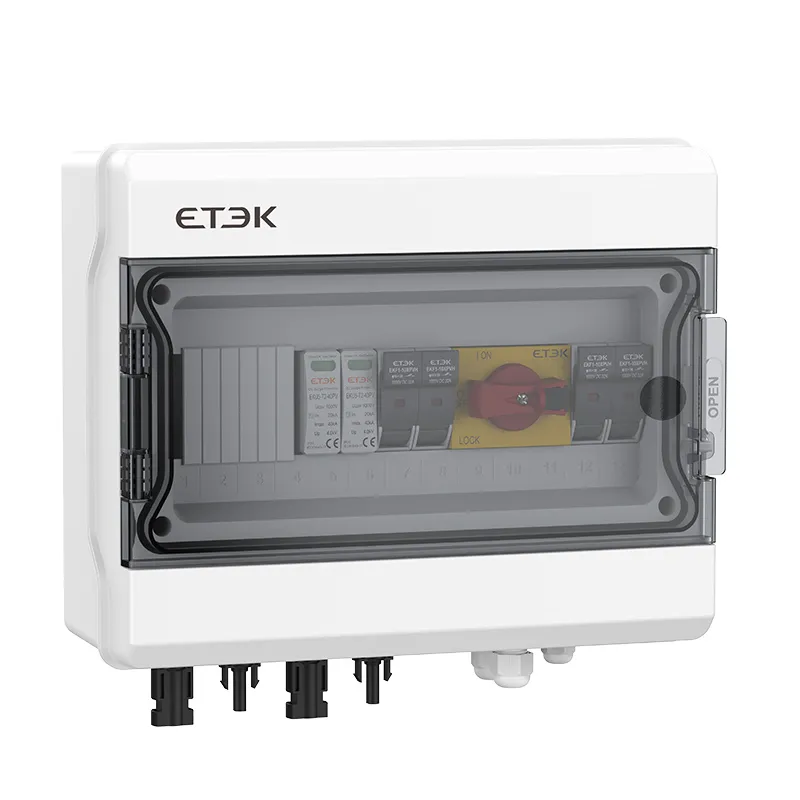
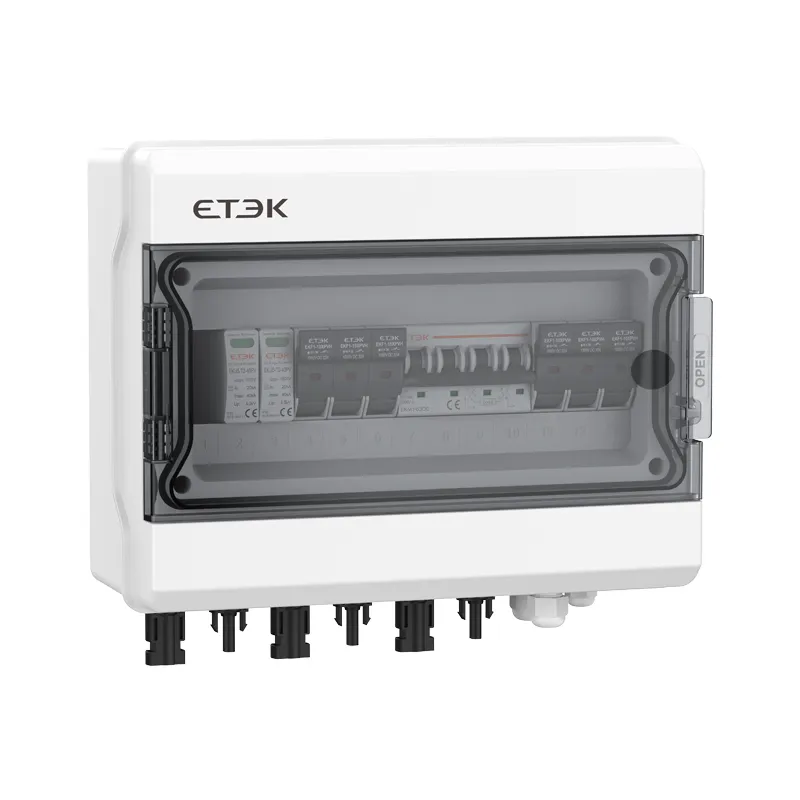
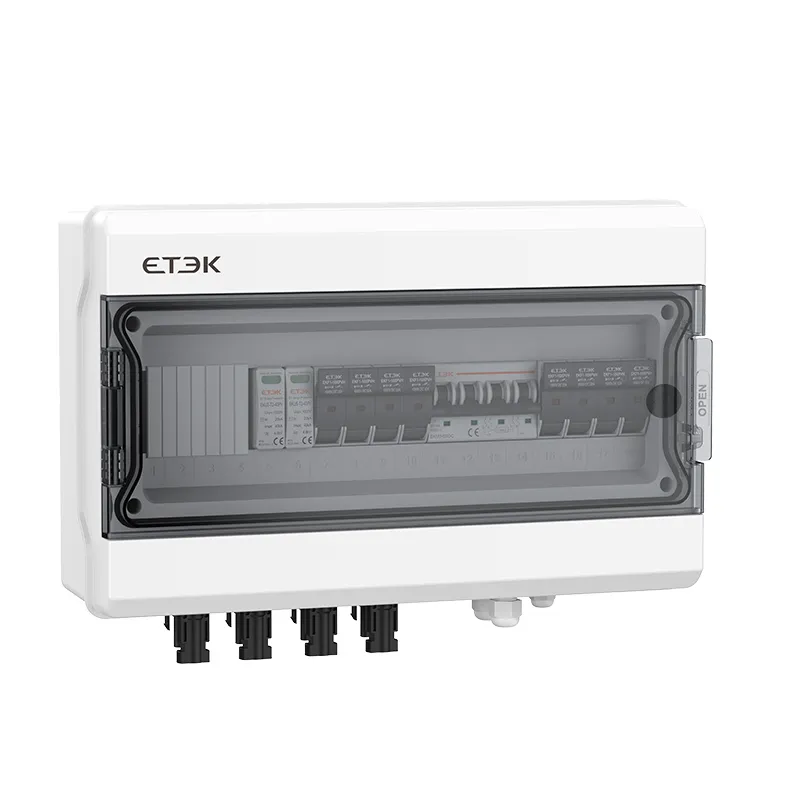
The solar energy landscape is evolving faster than ever. As photovoltaic installations scale from residential rooftops to utility‑grade power plants, the components that protect these systems must keep pace. In 2026, solar circuit breakers — the silent guardians of every PV array — are undergoing significant transformation, driven by higher voltages, smarter electronics, and stricter safety mandates.
Whether you are specifying components for a commercial rooftop array, designing a battery storage system, or maintaining an existing solar farm, understanding these trends is essential. Let’s explore the three most critical developments reshaping DC circuit protection in 2026 and beyond.
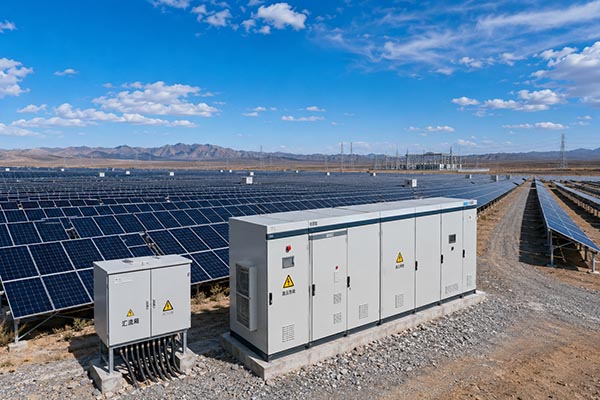
The Rapid Migration to 1500 VDC Architectures
The most consequential shift in solar electrical design is the steady move toward higher voltage strings. While 1000 VDC systems remain widespread, 1500 VDC architectures are rapidly becoming the default for commercial and utility‑scale projects. This transition is not merely about pushing numbers higher — it delivers tangible reductions in balance‑of‑system costs by enabling longer string lengths and fewer combiner boxes, inverters, and conductors.
Market data confirms the momentum. The global photovoltaic circuit breaker market was valued at USD 2.03 billion in 2025 and is projected to grow to USD 2.24 billion in 2026, with a compound annual growth rate of 11.21 % expected to reach USD 4.28 billion by 2032. Within this broader market, low‑voltage DC circuit breakers — the workhorses of solar protection — are forecast to expand from USD 2.33 billion in 2026 to USD 3.02 billion by 2031.
However, higher voltage introduces new engineering challenges. Arc interruption becomes significantly more difficult at 1500 VDC because DC arcs have no natural zero‑crossing point. Traditional AC circuit breakers cannot handle DC fault currents at these voltages — the arc does not extinguish on its own, requiring specialized arc‑quenching chambers, permanent magnets for magnetic blowout, and carefully designed contact materials. For systems operating above 60 VDC, international standards demand clear polarity markings on terminals, as reversing line and load connections can reduce breaking capacity by 30–50 % or lead to catastrophic failure.
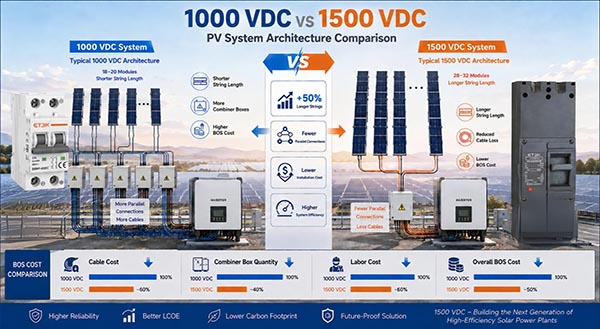
For engineers selecting protective devices for 1500 VDC arrays, certified solutions that meet IEC 60947‑2 requirements up to the full system voltage are essential.
Smart Arc Fault Detection Becomes Standard
Among all hazards in solar installations, DC arc faults are arguably the most insidious. Unlike short circuits that draw excessive current and trip conventional overcurrent protection, a DC series arc fault generates no excess current — just a self‑sustaining plasma channel that can reach temperatures capable of carbonizing insulation and igniting roofing material. Traditional fuses and breakers cannot see this hazard.
NEC Article 690.11 has required arc‑fault protection on DC PV circuits operating at 80 V or more since 2011, and the code has tightened in every cycle since. In 2026, the requirement remains firmly in place: the protection device must be listed to UL 1699B. International standards are converging as well — IEC 63027 now provides a global framework for PV arc detection, aligning with UL 1699B technical specifications.
Modern arc fault detection is typically integrated into string inverters or module‑level power electronics. These systems continuously monitor DC conductors for the high‑frequency noise signature characteristic of arcs — typically between 1 kHz and 1 MHz. When a dangerous arc is detected, the system interrupts the circuit within milliseconds.
That said, nuisance tripping remains the most common field complaint. Loose MC4 crimps, incomplete locking of connectors, and minor oxidation at contact points can generate electrical noise that mimics real arc signatures. This is why proper installation practices — correct torque values, clean terminations, and high‑quality components — are as important as the electronics themselves.
For system designers looking to incorporate reliable arc fault detection, selecting integrated solutions that combine overcurrent protection with arc monitoring capabilities is increasingly the industry standard.
Regulatory Alignment Across Global Markets
The regulatory landscape for solar circuit protection is becoming both stricter and more harmonized. In the United States, the 2026 edition of the National Electrical Code introduces notable refinements to Section 690.12 covering rapid shutdown requirements. While core performance targets remain unchanged — conductors outside the array boundary must drop to ≤ 30 V within 30 seconds, and conductors inside to ≤ 80 V — the 2026 cycle reorganizes the initiation device requirements and explicitly permits emergency‑stop type switches.
Internationally, IEC 60947‑2 serves as the primary standard for low‑voltage circuit breakers in photovoltaic applications across Europe, Asia, and most export markets. It covers breakers up to 1500 VDC and defines breaking capacity through dual ratings — Icu and Ics — typically with Ics expressed as 50–100 % of Icu. In contrast, UL 489 for the North American market uses a single interrupting rating tested at full duty, with no Icu/Ics distinction.
For manufacturers and system integrators serving global markets, understanding these differences is critical. A circuit breaker certified only to UL 489 may not meet contractual requirements for a European‑export project, as one 62 MW PV installation in Xinjiang discovered in 2023, when procurement delays resulted from standard mismatches.
Beyond circuit breakers themselves, evolving requirements for surge protection, enclosure ingress ratings, and thermal derating are shaping component selection. Outdoor installations increasingly demand IP65 or higher protection, with materials resistant to UV degradation. High‑altitude sites require derating considerations for reduced air density that affects arc interruption and dielectric strength.
As these trends converge — higher voltages, smarter arc detection, and globally aligned standards — the demand for reliable, certified DC protection solutions continues to grow across residential, commercial, and utility segments.
What These Trends Mean for Your Solar Project
The takeaway is straightforward: the era of treating circuit protection as an afterthought is over. Today’s solar installations — whether a 10 kW residential system or a 100 MW solar farm — demand careful specification of DC protection devices that are voltage‑rated correctly, certified to applicable standards, and integrated with modern arc fault detection.
If you are evaluating protection solutions for your next photovoltaic project and want to ensure compliance with the latest safety requirements, click here to review the product portfolio.
Note: The images in this article are for reference only.
-1640.jpg)
 - Enterprise-Protection-Solution-1052.webp)